
 Ants
Ants
Pharaoh Ant Heat-Season IPM for Israeli Hospitals
PestLove Editorial Team
IPM
May 12, 2026
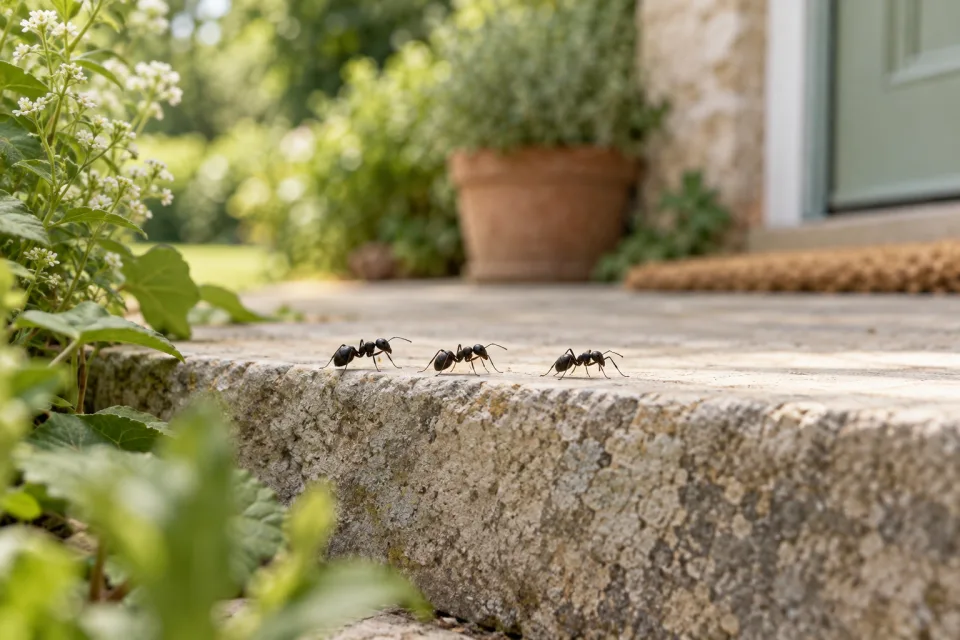
Ants, belonging to the family Formicidae, are among the most successful and ecologically significant insects on Earth. With over 12,000 known species globally, these social insects exhibit complex colony structures and highly specialized roles. While many species play vital roles in soil aeration and seed dispersal, their presence within human structures often signals a breach in sanitation or structural integrity. Understanding their biological drivers—such as pheromone trail communication and nesting preferences—is essential for effective management.
Common household invaders like Carpenter ants, Odorous house ants, and Pharaoh ants present varied threats. While some cause significant structural damage by nesting in wood, others contaminate food supplies and can even transmit pathogens. Invasive species, such as the Red Imported Fire Ant, pose additional risks through painful stings and disruption of local ecosystems. Professional identification is the critical first step, as treatment strategies for a moisture-seeking colony differ vastly from those for a protein-focused infestation.
At PestLove, we emphasize an Integrated Pest Management (IPM) approach that prioritizes long-term prevention over temporary fixes. Professional knowledge allows for the targeted application of baits and non-repellent insecticides that leverage the ants' social behavior to eliminate the entire colony, including the queen. By addressing the root causes—such as entry points and attractants—homeowners can maintain a pest-free environment while minimizing chemical usage.
Ants
 Ants
Ants
 Ants
Ants
 Ants
Ants
 Ants
Ants
 Ants
Ants
 Ants
Ants
 Ants
Ants
 Ants
Ants
 Ants
Ants
 Ants
Ants
 Ants
Ants
