Mosquitoes, belonging to the family Culicidae, are more than just a seasonal nuisance; they represent one of the most significant public health challenges globally. With over 3,500 species identified worldwide, these resilient insects have mastered the art of survival through complex life cycles that are intricately tied to aquatic environments. While both males and females primarily feed on plant nectar for energy, it is the female mosquito that seeks a protein-rich blood meal to facilitate egg production, unintentionally acting as a primary vector for serious pathogens.Understanding the nuances of mosquito biology—from their sensory perception of carbon dioxide to their preference for specific breeding habitats—is essential for effective management. Factors such as temperature, humidity, and local ecology dictate the prevalence of various species, including Aedes, Anopheles, and Culex. At PestLove, we provide the expert entomological context needed to identify risks and implement professional-grade prevention strategies that protect both your home and your health.
Pantry moths, most commonly the Indian meal moth (Plodia interpunctella), are among the most persistent and frustrating household pests. These invasive insects target a wide array of stored dry goods, including grains, cereals, nuts, and pet foods. While the adult moths are the most visible stage of the infestation, it is their larvae that cause extensive damage by contaminating food supplies with silken webbing, frass (excrement), and cast skins, rendering items unsafe for consumption.Understanding the biology of these pests is critical for effective management. Pantry moths often enter homes through previously infested products from grocery stores or supply chains. Their rapid reproductive cycle means a small localized problem can quickly escalate into a widespread infestation. Professional-grade knowledge is essential to identify all breeding sources and disrupt their lifecycle effectively, ensuring long-term protection of your kitchen and food storage areas.
Ticks (order Ixodida) are specialized arachnid ectoparasites that rely entirely on the blood of vertebrate hosts for survival. Unlike many other pests, ticks are not insects; they are more closely related to spiders and mites. Their complex life cycle, consisting of larval, nymphal, and adult stages, often requires multiple hosts, making them significant vectors for a wide range of pathogens globally.From a public health perspective, ticks are among the most dangerous pests encountered in suburban and rural environments. They are notorious for transmitting debilitating diseases such as Lyme disease, Rocky Mountain spotted fever, and anaplasmosis. Their ability to remain attached to a host for several days while feeding increases the risk of pathogen transmission, necessitating a deep understanding of their biology and seasonal activity patterns for effective management.Professional knowledge is critical when dealing with tick infestations, as their microscopic size in the nymphal stage makes them exceptionally difficult to detect without expert training. Effective control involves integrated pest management (IPM) strategies that address both the ticks themselves and their primary hosts, such as rodents and deer. At PestLove, we provide the authoritative insights needed to safeguard your family and pets from these resilient parasites.
Rodents, belonging to the order Rodentia, represent one of the most successful and adaptable groups of mammals on Earth. In the context of urban and suburban environments, species such as the Brown Rat (Rattus norvegicus), House Mouse (Mus musculus), and various squirrels are not merely nuisances but significant biological threats. Their unique incisors grow continuously, necessitating constant gnawing that can lead to catastrophic structural damage, including electrical fires and compromised building integrity.Beyond physical destruction, rodents are notorious vectors for a wide array of zoonotic diseases. From Salmonellosis and Leptospirosis to more severe threats like Hantavirus, their presence poses a direct risk to human health through contaminated surfaces and airborne pathogens found in their droppings. Understanding their complex social structures and nocturnal behaviors is critical for effective management, as traditional DIY methods often fail to address the root of a localized infestation.At PestLove, we emphasize a scientifically grounded approach to rodent control. Professional intervention is essential not only for eradication but for Integrated Pest Management (IPM) strategies that focus on exclusion and long-term prevention. By analyzing entry points and nesting patterns, we provide the expert knowledge necessary to protect your environment from the persistent pressure of rodent populations.
Termites, belonging to the infraorder Isoptera, are among the most ecologically significant yet economically destructive insects on the planet. Often referred to as "silent destroyers," these eusocial insects play a vital role in natural ecosystems by decomposing cellulose-rich materials, but their presence in human structures can lead to catastrophic structural damage. Understanding the complex biology of termites, from their specialized caste systems to their cryptic nesting habits, is the first step in effective management and prevention.Common threats from termite infestations include compromised foundations, weakened support beams, and the potential for total building failure if left unaddressed. Because termites often feed on the interior of wood, signs of an infestation can remain hidden for years until the damage is extensive. Professional entomological knowledge is crucial for accurately identifying the specific termite species—whether subterranean, drywood, or dampwood—as each requires a fundamentally different approach to treatment and exclusion. Our guides provide the expert-backed insights needed to protect your property from these persistent pests.
Bed bugs (Cimex lectularius) are resilient, wingless parasitic insects that have specialized in feeding on human blood for millennia. These nocturnal pests are notorious for their ability to hide in the smallest crevices of mattresses, bed frames, and upholstered furniture, emerging only to feed when their hosts are stationary. Their flattened, mahogany-colored bodies allow them to navigate through cracks as thin as a credit card, making them one of the most challenging household pests to detect and eliminate without expert entomological knowledge.While bed bugs are not currently known to transmit pathogens to humans, their presence causes significant psychological distress, severe sleep disruption, and allergic reactions. A single fertile female can trigger a massive infestation within weeks, as they are capable of laying hundreds of eggs in a lifetime. Professional management is essential because modern bed bug populations have developed widespread resistance to many over-the-counter pyrethroid insecticides, requiring specialized heat treatments or advanced chemical rotations for complete eradication.
Cockroaches, belonging to the order Blattodea, are among the most resilient and adaptable pests on the planet. With over 4,500 species worldwide, only a handful—such as the German, American, and Oriental cockroaches—are significant structural pests. These insects are more than just a nuisance; they are mechanical vectors for dangerous pathogens, including Salmonella, E. coli, and Staphylococcus, which they spread by crawling over waste and then onto food preparation surfaces.Beyond bacterial risks, cockroaches produce potent allergens found in their droppings, saliva, and shed skins, which are leading triggers for asthma and allergic reactions, particularly in children. Their cryptic nature and rapid reproductive cycles make them exceptionally difficult to eradicate without professional-grade strategies. Understanding their biology, from their preference for humid microclimates to their nocturnal foraging patterns, is essential for implementing an integrated pest management (IPM) approach that ensures long-term exclusion and safety.
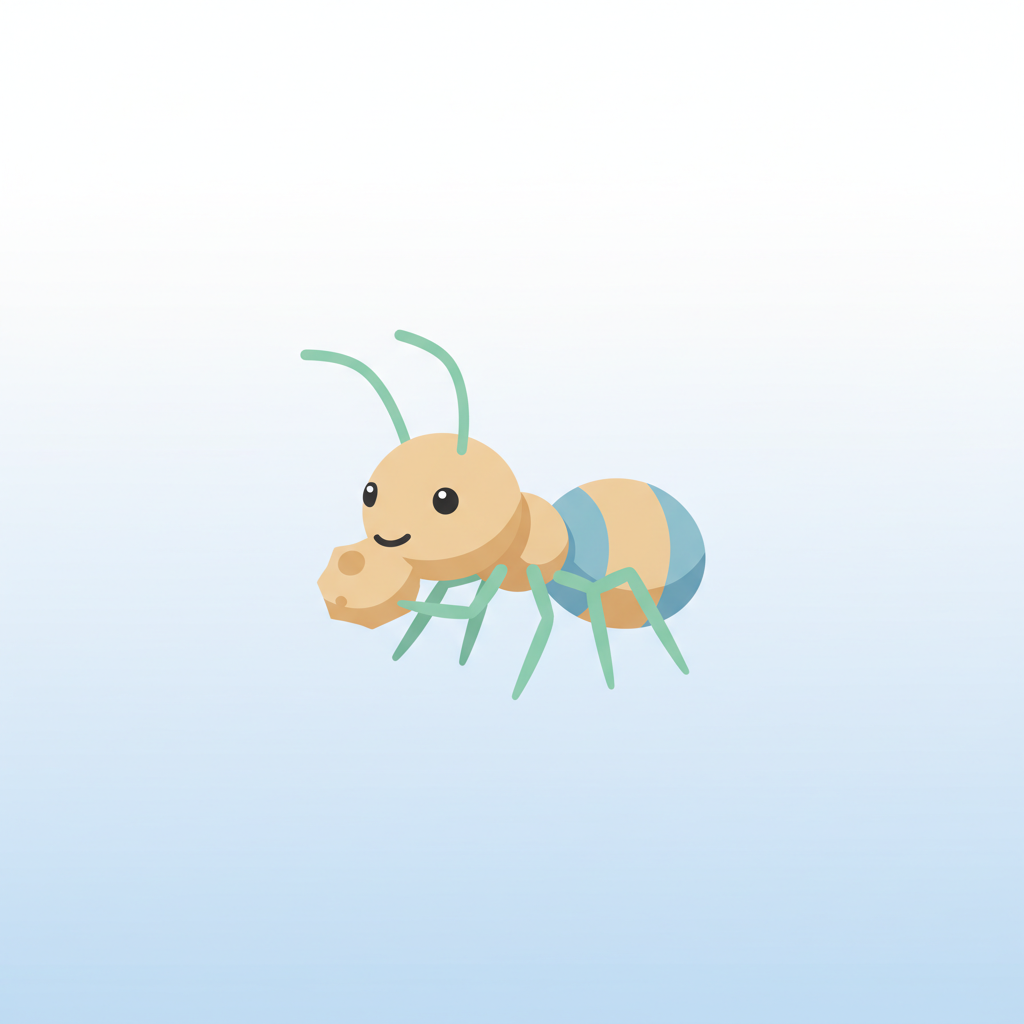
Ants, belonging to the family Formicidae, are among the most successful and ecologically significant insects on Earth. With over 12,000 known species globally, these social insects exhibit complex colony structures and highly specialized roles. While many species play vital roles in soil aeration and seed dispersal, their presence within human structures often signals a breach in sanitation or structural integrity. Understanding their biological drivers—such as pheromone trail communication and nesting preferences—is essential for effective management.Common household invaders like Carpenter ants, Odorous house ants, and Pharaoh ants present varied threats. While some cause significant structural damage by nesting in wood, others contaminate food supplies and can even transmit pathogens. Invasive species, such as the Red Imported Fire Ant, pose additional risks through painful stings and disruption of local ecosystems. Professional identification is the critical first step, as treatment strategies for a moisture-seeking colony differ vastly from those for a protein-focused infestation.At PestLove, we emphasize an Integrated Pest Management (IPM) approach that prioritizes long-term prevention over temporary fixes. Professional knowledge allows for the targeted application of baits and non-repellent insecticides that leverage the ants' social behavior to eliminate the entire colony, including the queen. By addressing the root causes—such as entry points and attractants—homeowners can maintain a pest-free environment while minimizing chemical usage.
Flies, belonging to the order Diptera, are among the most pervasive and diverse pests encountered in both residential and commercial environments. Characterized by a single pair of functional wings and a pair of specialized balancing organs called halteres, these insects have evolved into highly efficient vectors of disease. Common species such as the House Fly (Musca domestica) and the Fruit Fly (Drosophila spp.) are more than mere nuisances; they are mechanical carriers for over 100 pathogens, including salmonella, cholera, and E. coli, which they spread by feeding on decaying organic matter and subsequently landing on food surfaces.The rapid life cycle of flies allows for explosive population growth under favorable conditions, making early intervention critical. Understanding their breeding habits—ranging from stagnant water to fermenting fruit or manure—is essential for effective management. Professional knowledge is vital because simple surface treatments often fail to address the root of the infestation. A comprehensive approach involving Source Reduction, exclusion techniques, and targeted biological or chemical controls is necessary to break the reproductive cycle and ensure long-term protection for your property and health.
Spiders (Order Araneae) are predominantly beneficial predators that play a vital role in natural ecosystems by controlling insect populations. However, in residential and commercial settings, their presence often crosses the threshold from beneficial neighbor to structural threat. While most common species like the Cellar Spider (Pholcus phalangioides) are harmless, professional identification is essential to distinguish them from medically significant species such as the Brown Recluse (Loxosceles reclusa) or the Black Widow (Latrodectus), which can pose genuine health risks through their venomous bites.Effective spider management requires a transition from reactive chemical applications to a comprehensive Integrated Pest Management (IPM) framework. Professional-grade control focuses on "pest pressure" reduction—minimizing the availability of the insects that serve as the spiders' primary food source. Field assessments frequently reveal that high spider activity is symptomatic of a larger, underlying insect infestation. By implementing structural exclusion—sealing foundation cracks, gaps around utility penetrations, and installing tight-fitting door sweeps—we create an environment that is biologically inhospitable to both spiders and their prey.Beyond exclusion, habitat modification is the most sustainable tool in an entomologist's arsenal. Strategies such as reducing outdoor clutter, managing landscaping to prevent direct contact with the structure, and transitioning to sodium vapor or yellow LED lighting (which are less attractive to the nocturnal insects that spiders hunt) are proven to decrease local populations. Our approach combines these cultural controls with the mechanical removal of webs and egg sacs using specialized tools, ensuring a long-term solution that prioritizes safety and ecological balance.
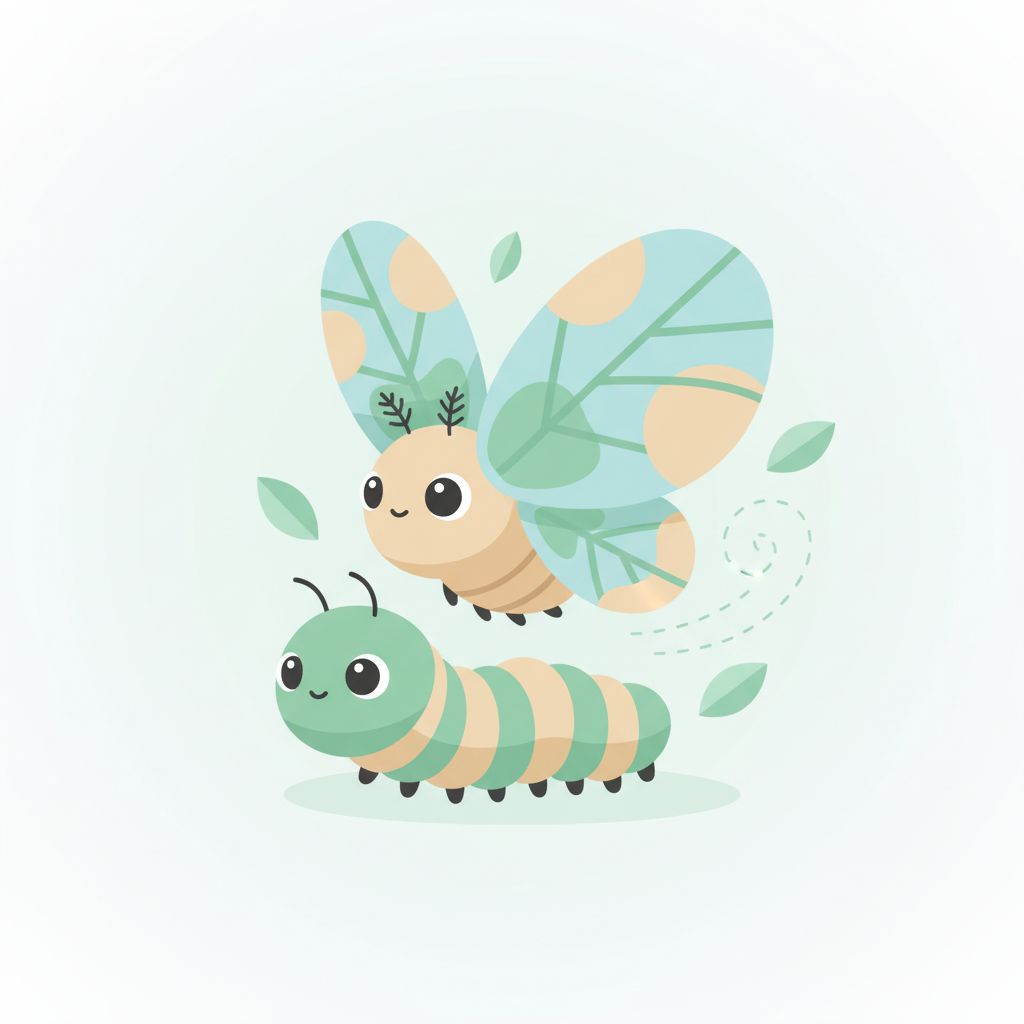
Moths and their larval counterparts, caterpillars, represent one of the most economically significant orders of insects, Lepidoptera. While often admired for their adult forms, species such as the Indian meal moth (Plodia interpunctella) and the webbing clothes moth (Tineola bisselliella) pose severe threats to domestic environments and industrial food storage. A professional understanding of their life cycles is critical, as damage is almost exclusively caused by the larvae, which possess specialized chewing mouthparts designed to process keratin-rich fibers or stored organic matter.Effective management requires a transition from reactive treatments to Integrated Pest Management (IPM) strategies. This involves utilizing species-specific pheromone traps to monitor population density and identifying precise entry points or contaminated sources that often escape the untrained eye. Professional intervention focuses on biological insights—such as understanding the diapause triggers in temperate species—to ensure that control measures are timed for maximum efficacy against the most vulnerable life stages.
Effective Commercial Pest Control requires a sophisticated understanding of urban ecosystems and the biological behaviors of opportunistic species. Unlike residential environments, commercial facilities—ranging from food processing plants to high-traffic logistics hubs—present unique structural challenges and high-risk vectors for infestation. Professional management at this level is not merely about eradication but involves the implementation of rigorous Integrated Pest Management (IPM) protocols that prioritize exclusion, sanitation, and environmental modification over routine chemical application.Commercial environments are frequently threatened by highly adaptable species such as the German Cockroach (Blattella germanica) and the Norway Rat (Rattus norvegicus), both of which can exploit minute structural defects and compromised supply chains. These pests pose significant biological hazards, including the transmission of pathogens like Salmonella and E. coli, while also threatening the structural integrity of facilities through gnawing and nesting behavior. A professional approach utilizes data-driven monitoring and pheromone-based trapping to identify hot spots before they escalate into full-scale infestations.Adherence to global safety standards—including HACCP (Hazard Analysis and Critical Control Points) and AIB International guidelines—is essential for modern businesses. Expert intervention ensures that pest control measures remain compliant with these regulatory frameworks while protecting a brand's reputation and bottom line. By focusing on long-term prevention through specialized knowledge of insect phenology and rodent ethology, professional services provide a sustainable defense against the persistent pressure of urban pests.
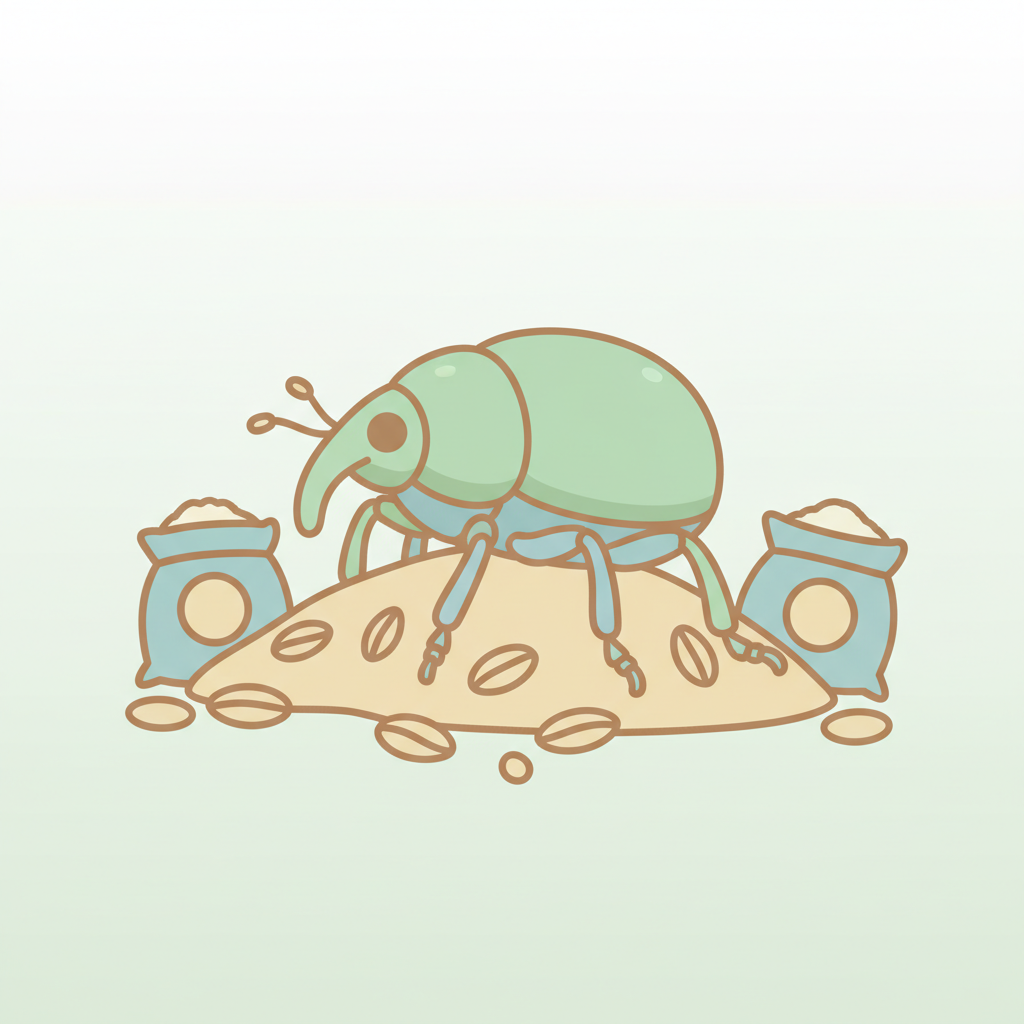
Stored product pests, often collectively referred to as "pantry pests," represent a diverse group of Coleoptera (beetles) and Lepidoptera (moths) that have specialized in exploiting post-harvest agricultural commodities. From an entomological perspective, these organisms are categorized by their feeding habits: internal feeders, such as the Rice Weevil (Sitophilus oryzae), which develop inside whole grains, and external feeders, like the Saw-toothed Grain Beetle (Oryzaephilus surinamensis), which scavenge on processed flours and cereals. Their ability to thrive in low-moisture environments makes them a persistent threat to global food security and household larders alike.Professional management of these species requires a deep understanding of their lifecycle and cryptic behaviors. For instance, the larvae of the Indian Meal Moth (Plodia interpunctella) are notorious for producing silken webbing that binds food particles together, often being the first visible sign of an infestation. Meanwhile, the minute size and flattened morphology of many grain beetles allow them to bypass standard packaging seals. Identifying the specific species is critical, as control strategies for a primary pest like the Granary Weevil differ significantly from those for secondary pests that only attack already damaged or moldy products.Effective remediation shifts away from indiscriminate chemical application toward a rigorous Integrated Pest Management (IPM) framework. This involves pinpointing the source through pheromone monitoring, implementing strict sanitation protocols, and utilizing physical controls such as extreme temperature treatments. By understanding the biological requirements of these pests—such as their thermal death points and humidity thresholds—professionals can ensure long-term exclusion and protection of stored commodities without compromising food safety.
Commercial pest management represents a specialized discipline within the pest control industry, focused on safeguarding business infrastructure, public health, and regulatory compliance. Commercial environments—ranging from hospitality and food service to healthcare and logistics—present unique challenges due to high foot traffic, complex supply chains, and stringent hygiene standards. Pests such as the German cockroach (Blattella germanica), Norway rat (Rattus norvegicus), and various stored product insects pose significant threats, including the transmission of zoonotic diseases and the contamination of sensitive inventory.The foundation of effective commercial protection lies in Integrated Pest Management (IPM). This holistic approach moves beyond reactive chemical applications, emphasizing environmental monitoring, structural exclusion, and sanitation protocols. By addressing the root causes of infestations—such as moisture sources and entry points—IPM ensures long-term suppression while adhering to safety mandates like those established by the EPA and local health departments. Professional expertise is critical for navigating these complexities, as a single infestation can lead to severe financial loss and irreparable brand damage. For any established commercial enterprise, partnering with a licensed pest management professional is the most reliable method to ensure a pest-free operational environment.
Wasps are stinging insects in the order Hymenoptera, suborder Apocrita, encompassing thousands of species that range from highly social colony builders to solitary hunters. The species most often encountered around homes belong to the family Vespidae, which includes yellowjackets (Vespula and Dolichovespula spp.), paper wasps (Polistes spp.), and hornets such as the European hornet (Vespa crabro) and the bald-faced hornet (Dolichovespula maculata). Unlike honey bees, wasps have smooth stingers and can sting repeatedly. Social colonies are founded each spring by a single overwintered queen; populations peak in late summer, when a mature yellowjacket nest may contain several thousand workers. Solitary species such as mud daubers (Sceliphron and Chalybion spp.) and cicada killers (Sphecius speciosus) rarely defend their nests and pose little risk to people.The principal hazard wasps present is envenomation. Vespid venom contains phospholipases, hyaluronidase, and antigen 5, proteins capable of triggering IgE-mediated allergic reactions. The U.S. Centers for Disease Control and Prevention attributes dozens of deaths annually to hornet, wasp, and bee stings, most from anaphylaxis rather than venom toxicity. Risk rises sharply when nests are disturbed, because alarm pheromones recruit defenders in seconds. Nests concealed in wall voids, attic insulation, ground burrows, or dense shrubbery are especially dangerous, as they are often discovered accidentally by mowing, pruning, or renovation work. Late-season yellowjackets also scavenge protein and sugar at picnics, trash receptacles, and outdoor dining areas, raising the chance of stings inside the mouth or throat.Effective management follows Integrated Pest Management (IPM) principles rather than reflexive spraying. Correct identification comes first, since wasps are important predators of caterpillars, flies, and other pests and are valued pollinators; the U.S. Environmental Protection Agency and cooperative extension services recommend leaving nests in low-traffic areas undisturbed until they die out naturally with the first hard frost. Where control is warranted, exclusion and sanitation carry the greatest long-term value: sealing gaps larger than a quarter of an inch, screening attic and soffit vents, fitting trash containers with tight lids, and repairing damaged siding before spring queens search for nest sites. Treatment of active nests should be conducted at night with species-appropriate products, protective equipment, and an escape plan. Nests inside structural voids, at height, or near anyone with a known sting allergy should be handled by a licensed pest management professional, who has the training, respiratory and body protection, and application equipment to resolve the infestation safely.