 Moths/Caterpillars
A professional guide to identifying, preventing, and treating Hofmannophila pseudospretella infestations in French heritage hotels. Covers IPM protocols for protecting period textiles, archives, and guest rooms.
PestLove Editorial Team
IPM
May 2, 2026
 Moths/Caterpillars
Outdoor venues across Spain and Portugal face seasonal risks from pine processionary moth caterpillars. This guide covers identification, monitoring, and IPM-based safety protocols to protect guests, staff, and pets.
PestLove Editorial Team
IPM
April 29, 2026
 Moths/Caterpillars
As spring temperatures rise across Central Europe, clothes moth populations surge in Swiss and German textile warehouses. This guide covers identification, monitoring, prevention, and IPM-based treatment protocols to protect valuable inventory.
PestLove Editorial Team
IPM
April 29, 2026
 Moths/Caterpillars
Outdoor hospitality venues across the northeastern United States face significant guest-experience and health risks from spongy moth (Lymantria dispar) caterpillars each spring. This guide provides an IPM-based preparedness framework covering identification, prevention, treatment, and guest communication.
PestLove Editorial Team
IPM
April 27, 2026
 Moths/Caterpillars
Oak processionary moth (Thaumetopoea processionea) poses serious health risks at UK outdoor events held near oak trees. This guide covers identification, risk assessment, and safety planning for event organisers.
PestLove Editorial Team
IPM
April 24, 2026
 Moths/Caterpillars
Mediterranean hotels and resorts face serious liability from pine processionary caterpillars (Thaumetopoea pityocampa). This guide covers identification, seasonal management, and IPM strategies to protect guests and staff.
PestLove Editorial Team
IPM
April 20, 2026
 Moths/Caterpillars
Spongy moth caterpillars (Lymantria dispar) threaten commercial landscapes and outdoor hospitality venues with severe defoliation and guest health risks. This guide covers identification, seasonal timing, Btk-based IPM protocols, and when to engage licensed applicators.
PestLove Editorial Team
IPM
April 19, 2026
 Moths/Caterpillars
A comprehensive guide for municipal groundskeepers and park managers on managing Thaumetopoea processionea infestations. Covers identification, health risk mitigation, and IPM removal strategies.
PestLove Editorial Team
IPM
March 18, 2026
 Moths/Caterpillars
A comprehensive Integrated Pest Management (IPM) guide for protecting Buxus species in historic parterres and commercial properties from Cydalima perspectalis devastation.
PestLove Editorial Team
IPM
March 16, 2026
 Moths/Caterpillars
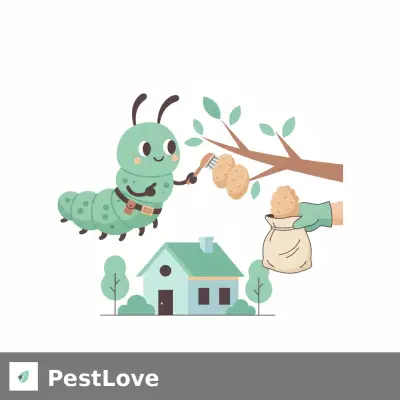
A technical guide for urban foresters and park managers on surveying and neutralizing Lymantria dispar egg masses during the dormant season to mitigate spring defoliation.
PestLove Editorial Team
IPM
March 14, 2026
 Moths/Caterpillars
Commercial strategies for managing pine moth caterpillar infestations in hotels, golf courses, and corporate parks. Learn how to protect landscape assets and minimize liability through Integrated Pest Management.
PestLove Editorial Team
IPM
March 14, 2026
 Moths/Caterpillars
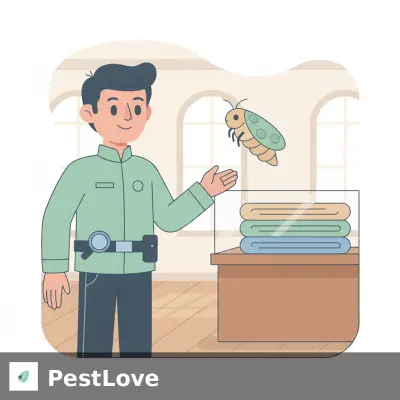
A comprehensive protocol for identifying and eradicating Tinea pellionella from antique fabrics and museum-grade collections. This guide details IPM strategies, freezing techniques, and environmental controls.
PestLove Editorial Team
IPM
March 13, 2026