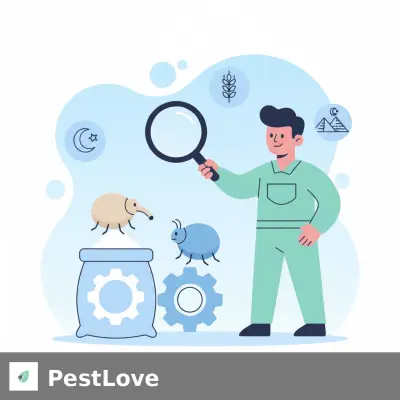
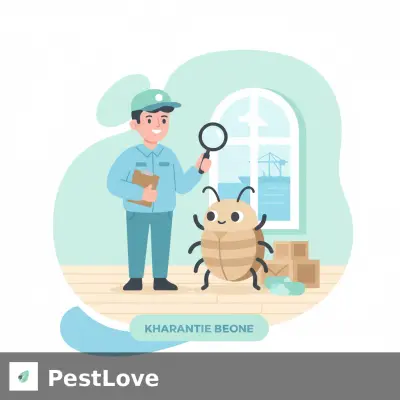
Stored product pests, often collectively referred to as "pantry pests," represent a diverse group of Coleoptera (beetles) and Lepidoptera (moths) that have specialized in exploiting post-harvest agricultural commodities. From an entomological perspective, these organisms are categorized by their feeding habits: internal feeders, such as the Rice Weevil (Sitophilus oryzae), which develop inside whole grains, and external feeders, like the Saw-toothed Grain Beetle (Oryzaephilus surinamensis), which scavenge on processed flours and cereals. Their ability to thrive in low-moisture environments makes them a persistent threat to global food security and household larders alike.
Professional management of these species requires a deep understanding of their lifecycle and cryptic behaviors. For instance, the larvae of the Indian Meal Moth (Plodia interpunctella) are notorious for producing silken webbing that binds food particles together, often being the first visible sign of an infestation. Meanwhile, the minute size and flattened morphology of many grain beetles allow them to bypass standard packaging seals. Identifying the specific species is critical, as control strategies for a primary pest like the Granary Weevil differ significantly from those for secondary pests that only attack already damaged or moldy products.
Effective remediation shifts away from indiscriminate chemical application toward a rigorous Integrated Pest Management (IPM) framework. This involves pinpointing the source through pheromone monitoring, implementing strict sanitation protocols, and utilizing physical controls such as extreme temperature treatments. By understanding the biological requirements of these pests—such as their thermal death points and humidity thresholds—professionals can ensure long-term exclusion and protection of stored commodities without compromising food safety.


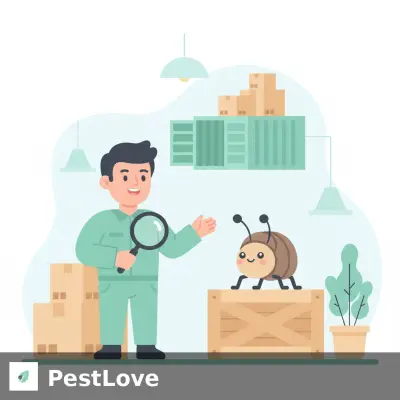 Stored Product Pests