
Mga Pangunahing Punto
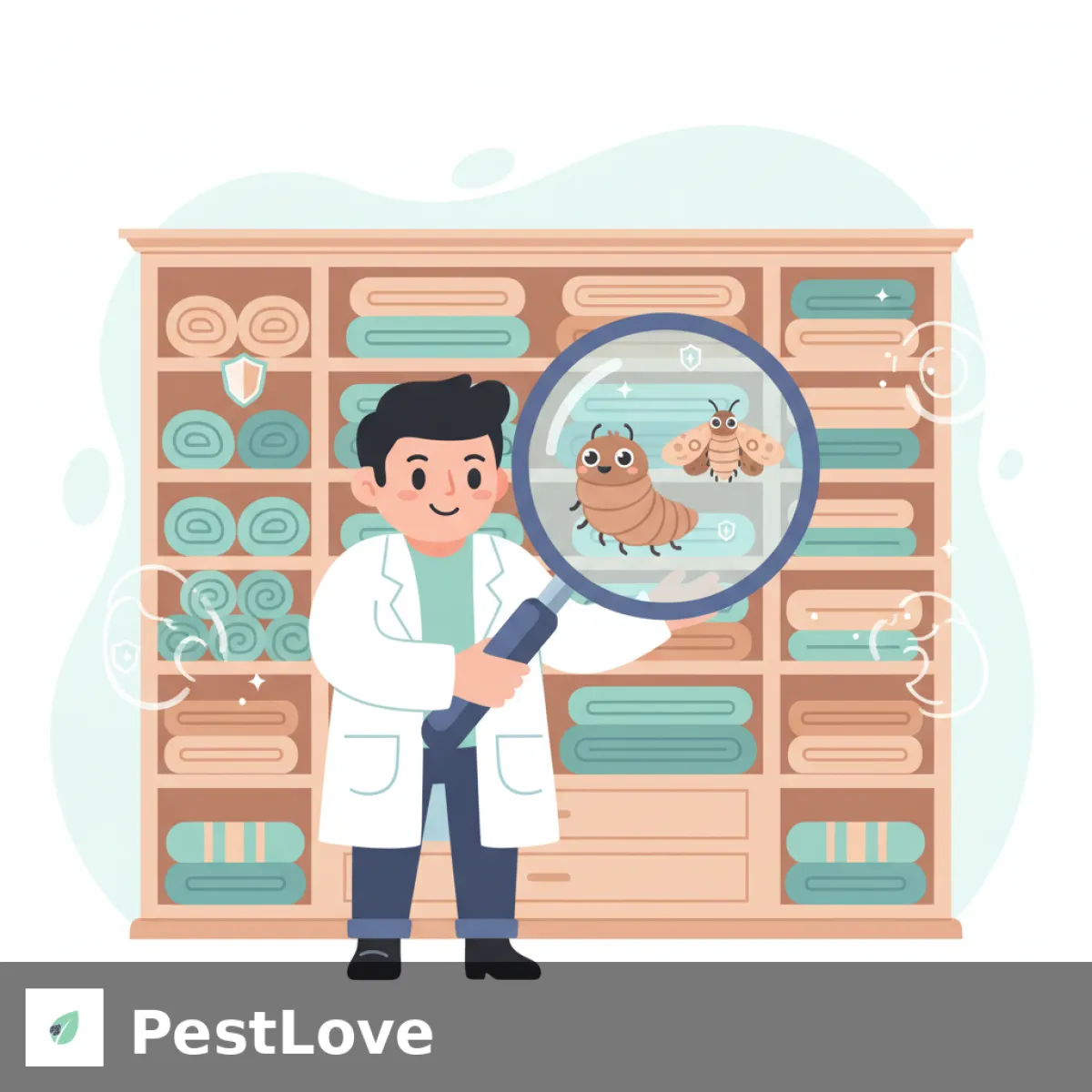
- Ang carpet beetles (Anthrenus verbasci, Attagenus unicolor) at webbing clothes moths (Tineola bisselliella) ay pangunahing banta sa wool, silk, at protein-fiber textiles sa hotel storage rooms.
- Ang Philippine hotel environments ay may kanya-kanyang hamon: ang tropical humidity ay mataas, ngunit ang maayos na climate-controlled storage rooms na may dehumidification equipment ay maaaring lumikha ng unfavorable conditions para sa pest breeding sa pamamagitan ng stable temperatures at mababang relative humidity.
- Ang larval stages, hindi ang adults, ang nagiging sanhi ng lahat ng fabric damage — na ginagawang kritikal ang early detection sa pamamagitan ng pheromone traps at routine inspection.
- Ang IPM approach na pinagsasama ang physical exclusion, environmental controls, pheromone monitoring, at targeted chemical intervention ay ang professional standard.
- Ang isang season ng hindi natuklasang infestation sa isang linen room ay maaaring sirain ang thousands of dollars sa high-thread-count inventory at magbigay ng reputational damage na mas matagal pa kaysa sa physical loss.
Introduction: Isang Banta Nasa Likod ng Mga Pinto
Sa competitive landscape ng Philippine luxury hospitality, ang kondisyon ng mga textile ng isang property ay direktang proxy para sa brand quality. Egyptian-cotton bed linens, hand-knotted wool carpets, silk cushions, at tailored staff uniforms ay kumakatawan sa substantial capital investment — at lahat ay biologically attractive sa dalawa sa pinaka-destructive fabric pests ng mundo: carpet beetles at clothes moths. Habang ang tropical outdoor climate ng rehiyon ay madalas na itinuring na hostile sa mga insektong ito, ang reality sa loob ng modern hotel linen rooms, wardrobe storage areas, at housekeeping depots ay lubhang iba. Ang climate control systems ay nagpapanatili ng cool, stable temperatures na pabor sa parehong species, at freshly laundered textiles — na hindi sapat na natutuyo o na-fold — ay nagdadala ng precisely ang residual moisture na nagpapabilis ng larval development. Para sa hotel managers at housekeeping directors, ang pag-unawa at pagpipigil ng mga pests na ito ay hindi optional; ito ay isang core operational competency.
Pest Identification: Pag-kilala sa Kaaway
Carpet Beetles (Anthrenus at Attagenus spp.)
Ang maraming carpet beetle species ay documented sa commercial settings sa buong Asya at sa Philippine region. Ang varied carpet beetle (Anthrenus verbasci) ay umabot ng 2–4 mm ang haba bilang adult at ay may mottled white, brown, at black na kulay, habang ang black carpet beetle (Attagenus unicolor) ay isang uniform dark brown hanggang black at slightly larger sa 3–5 mm. Ang adults ay pollen feeders na makikita malapit sa windows at light sources; sila ay harmless sa textiles. Ang damage ay ginagawa exclusively ng larvae — slow-moving, bristled grubs na may sukat ng 4–7 mm — na kumakain ng keratin-containing fibers kabilang ang wool, silk, leather, at feather-filled duvets. Ang carpet beetle larvae ay nag-iiwan ng irregular surface grazing sa fabrics, shed bristly cast skins, at gumagawa ng small faecal pellets bilang diagnostic evidence.
Clothes Moths (Tineola bisselliella at Tinea pellionella)
Ang webbing clothes moth (Tineola bisselliella) at ang casemaking clothes moth (Tinea pellionella) ay ang dalawang primary moth species na nakakaapekto sa textile storage sa rehiyon. Ang adults ay buff-gold o grey-buff, approximately 6–8 mm sa wingspan, at ay strongly photophobic — actively avoiding light at retreating deep sa folded textiles kapag naka-disturb. Tulad ng carpet beetles, ito ay ang larvae na kumakain ng fabric. Ang webbing moth larvae ay gumagawa ng characteristic silken feeding tunnels sa fabric surfaces. Ang casemaking moth larvae ay gumagawa ng portable silken case mula sa fabric fibers na kanilang dinagdag habang kumakain, na nag-iiwan ng trail of damage. Ang parehong species ay preferentially kumakain ng soiled textiles, targeting sweat, body oil, at food stains na concentrated sa collar lines, cuffs, at underarms — isang critical consideration para sa hotel uniform storage. Para sa detailed identification ng casemaking species, ang hotel managers ay dapat kumunsulta sa Casemaking Clothes Moth Identification in Museum Textile Collections.
Biology sa Hotel Storage Environment
Ang parehong pest groups ay umuunlad sa stable, undisturbed environments — precisely ang conditions sa loob ng isang well-organized linen room. Ang optimal developmental temperature para sa Tineola bisselliella larvae ay 24–28°C na may relative humidity na higit sa 70%; sa lower humidity, ang larval development ay tumitigil ngunit ang populations ay hindi nakamatay, pumasok sila sa quiescent state at muling nagsimula ng activity kapag ang conditions ay improved. Ang carpet beetle larvae ay mas humidity-tolerant at maaaring kumpletuhin ang development sa RH na kasing baba ng 30%, na ginagawang arguably better adapted sila sa periodic dry spells sa loob ng Philippine hotel storage rooms na may dehumidification systems.
Ang complete life cycles ay variable significantly depende sa temperature. Sa warm hotel storage conditions (22–26°C), ang clothes moth larvae ay maaaring umunlad mula sa egg hanggang adult sa kasing konti ng 45–50 days, na gumagawa ng dalawa hanggang tatlong overlapping generations bawat taon sa continuously climate-controlled environments. Ang carpet beetle larvae ay mas mabagal na bumubuo — typically sa loob ng anim hanggang labindalawang buwan — ngunit ang kanilang extended larval stage ay nangangahulugang ang damage ay nag-accumulate gradually at madalas na napapansin hanggang ang loss ay severe. Ito ay sinusuri nang malalim sa Protecting Wool Inventory: Tineola bisselliella Prevention for Rug Merchants, na nagdodocument ng comparable inventory loss scenarios.
Bakit Ang Luxury Hotels Ay Nahaharap sa Elevated Risk
Ang maraming structural features ng high-end hotel textile management ay hindi sinasadyang lumilikha ng favorable conditions para sa infestation:
- High-value natural fibers: Ang premium properties ay nag-invest sa wool blankets, silk duvets, cashmere throws, at hand-knotted rugs — lahat ay preferentially attacked kaysa sa synthetic alternatives.
- Large, static textile inventories: Ang seasonal items tulad ng heavy winter duvets, extra table linens, at ceremonial uniforms ay maaaring manatili sa undisturbed storage sa loob ng maraming buwan, na nagbibigay ng ideal breeding habitat.
- Compressed delivery cycles: Ang bulk textile shipments na dumarating mula sa overseas — particularly wool carpets mula sa Turkey, Iran, Pakistan, o India — ay kumakatawan sa recognized introduction pathway para sa carpet beetles at clothes moths.
- Inadequate drying protocols: Ang insufficient drying ng laundered items bago ang storage ay nagpapataas ng localized humidity, na lumilikha ng favorable microenvironments sa loob ng textile stacks kahit sa otherwise air-conditioned rooms.
- Sensory limitations ng staff: Ang adult clothes moths at carpet beetles ay maliit, cryptic, at largely nocturnal sa storage context. Nang wala ang structured monitoring program, ang infestations ay routinely umuusad sa loob ng maraming buwan bago ang detection.
Ang reputational stakes ay substantial. Isang guest na nakahanap ng moth damage sa isang blanket o nahanap ang carpet beetle cast skins sa drawer ay may grounds para sa formal complaint — at sa isang era ng review platforms, isang incident ay maaaring magbuo ng negative publicity disproportionate sa physical damage. Para sa broader framework sa hospitality pest management, tingnan ang Integrated Pest Management (IPM) for Luxury Hotels in Arid Climates.
IPM Prevention Strategies para sa Textile Storage
Physical Exclusion at Environmental Controls
Ang prevention ay nagsisimula sa building envelope. Ang storage rooms ay dapat i-seal laban sa lahat ng pest ingress: door sweeps, caulked utility penetrations, at insect-proof mesh sa ventilation openings ay mandatory baseline measures. Ang temperature sa loob ng primary textile storage rooms ay dapat maintained sa ibaba 18°C kung possible; sa threshold na ito, ang larval development ng parehong pest species ay nagpapabagal dramatically. Ang relative humidity ay dapat panatilihin sa o sa ibaba ng 55% gamit ang dehumidification equipment — isang critical investment sa high-ambient-humidity environments ng Philippine coastal cities tulad ng Manila, Cebu, at Davao lalo na sa summer months.
Incoming Textile Inspection Protocols
Ang lahat ng incoming textile shipments — particularly hand-knotted rugs, woolen blankets, at items na mula sa high-endemic-risk countries — ay dapat inspeksyunan bago ang storage. Isang quarantine staging area, separado mula sa main linen room, ay nagbibigay-daan sa newly received items na maging examined sa bright lighting at held para sa minimum ng 72 hours. Ang items na nagpapakita ng anumang evidence ng larvae, cast skins, silken tubes, o feeding damage ay dapat i-isolate immediately at hindi i-introduce sa general storage. Ang pag-freeze ng newly received high-value wool textiles sa -18°C para sa minimum ng 72 hours ay isang effective, chemical-free intervention na documented ng university extension entomology programs bilang lethal sa lahat ng life stages ng parehong pest species.
Pheromone Monitoring
Ang professional standard para sa early detection sa hotel textile storage ay isang network ng sex-pheromone sticky traps. Ang species-specific lure traps para sa Tineola bisselliella ay umaattract at kumukuha ng adult male moths, na nagbibigay ng earliest possible indication ng active breeding populations. Ang traps ay dapat positioned sa floor level malapit sa textile stacks, changed every four hanggang eight weeks, at logged systematically. Ang carpet beetles ay natutuklasan gamit ang adhesive pitfall traps na bait ng pheromone lures o food attractants, placed kasama ang floor-wall junctions. Ang trap catch data ay bumubuo ng quantitative backbone ng anumang IPM monitoring program: isang upward trend sa adult captures ay signal na ang larval populations ay bumubuo at ang intervention ay warranted bago ang damage ay nagiging visible. Ang parehong trap-network principles na ginagamit sa museum collections ay directly applicable dito, tulad ng detailed sa Protecting Heritage Textiles: Webbing Clothes Moth Prevention for Museums and Retail.
Textile Handling at Rotation Protocols
Ang static storage ay ang enemy ng textile protection. Ang lahat ng stored textiles ay dapat physically inspected at rotated sa minimum every 90 days. Ang seasonal items ay dapat professionally laundered o dry-cleaned — hindi simpleng aired — bago ang storage, eliminating ang soiling residues na umaattract sa female moths kapag pumipili sila ng oviposition sites. Ang items na destined para sa long-term storage ay dapat sealed sa heavy-gauge polyethylene bags na may cedar blocks o lavender sachets bilang low-level deterrents (noting ang ito ay repellents, hindi lethal agents). Ang hanging uniform storage ay dapat gumamit ng garment bags at maging inspected monthly sa collar, cuff, at shoulder seam areas kung saan ang soiling ay nag-concentrate.
Treatment Protocols Kapag Natutuklasan Ang Infestation
Kapag confirmed ng monitoring ang isang active infestation, isang staged chemical at physical response ay warranted. Ang first step ay physical removal: lahat ng affected textiles ay ini-bag, inalis mula sa storage area, at alinman ay treated (freezing sa -18°C para 72 hours, o laundering sa minimum 50°C) o disposed kung ang damage ay severe. Ang storage room mismo ay dapat thoroughly vacuumed — paying particular attention sa floor-wall junctions, shelf edges, at anumang carpet tiles — na may vacuum bag immediately sealed at disposed externally.
Ang residual insecticide application ng licensed pest control operator gamit ang products na registered para sa textile storage environments (typically pyrethroids tulad ng deltamethrin o permethrin) ay nagbibigay ng chemical barrier laban sa reinfestation. Sa premium storage areas kung saan ang chemical residue ay concern, ang low-oxygen (controlled atmosphere) o heat treatment ng specialist operator ay isang non-residue alternative na documented ng British Museum at iba pang heritage institutions para sa fabric pest eradication. Ang anumang insecticide application ay dapat accompanied ng documentation para sa HACCP at quality assurance records — isang important compliance consideration para sa properties na operating sa international hospitality management standards.
Kailan Tumawag ng Professional Pest Control Operator
Ang in-house housekeeping teams ay maaaring mag-implement ng monitoring at basic preventive protocols, ngunit ang certain scenarios ay nangangailangan ng engagement ng licensed pest management professional:
- Ang trap catches ay lumalampas ng limang adult moths o beetles bawat trap per week consistently sa dalawa o maraming monitoring periods, na nag-indicate ng established breeding population.
- Ang visible larval damage ay nahanap sa multiple textile items o sa higit sa isang storage zone, na nag-suggest ng distributed kaysa isolated infestation.
- Isang incoming shipment ng high-value rugs o blankets ay may confirmed active infestation at ang scale ng treatment ay lumalampas sa in-house capacity.
- Ang property ay nag-prepare para sa isang major event, rebranding, o external audit na nangangailangan ng documented pest-free status.
Ang isang professional operator ay magsasagawa ng structured survey, matutuklasan ang lahat ng infestation foci, mag-recommend ng targeted chemical o non-chemical treatments, at magbibigay ng written service reports na essential para sa quality management systems. Ang properties na nag-manage din ng bed bug risk kasama ang textile pests ay dapat i-refer ang Professional Bed Bug Prevention: Hospitality Standards for Boutique Hotels and Airbnb Hosts para sa complementary protocol framework.
Conclusion
Ang carpet beetles at clothes moths ay kumakatawan sa isang manageable ngunit consequential risk para sa Philippine luxury hotels. Ang combination ng high-value natural fiber inventories, climate-controlled storage rooms, at large static textile stocks ay lumilikha ng conditions na nag-reward sa preventive discipline sa lahat. Isang systematic IPM program — built sa environmental controls, pheromone monitoring, rigorous incoming inspection, at structured textile rotation — ay mag-intercept ng infestations bago ang economic damage ay nangyari. Kung saan ang infestations ay natutuklasan, isang prompt, documented response coordinated na may licensed pest management professional ay nagpoprotekta sa inventory value at sa brand reputation na ang luxury hospitality ay dependent sa.