
 Cockroaches
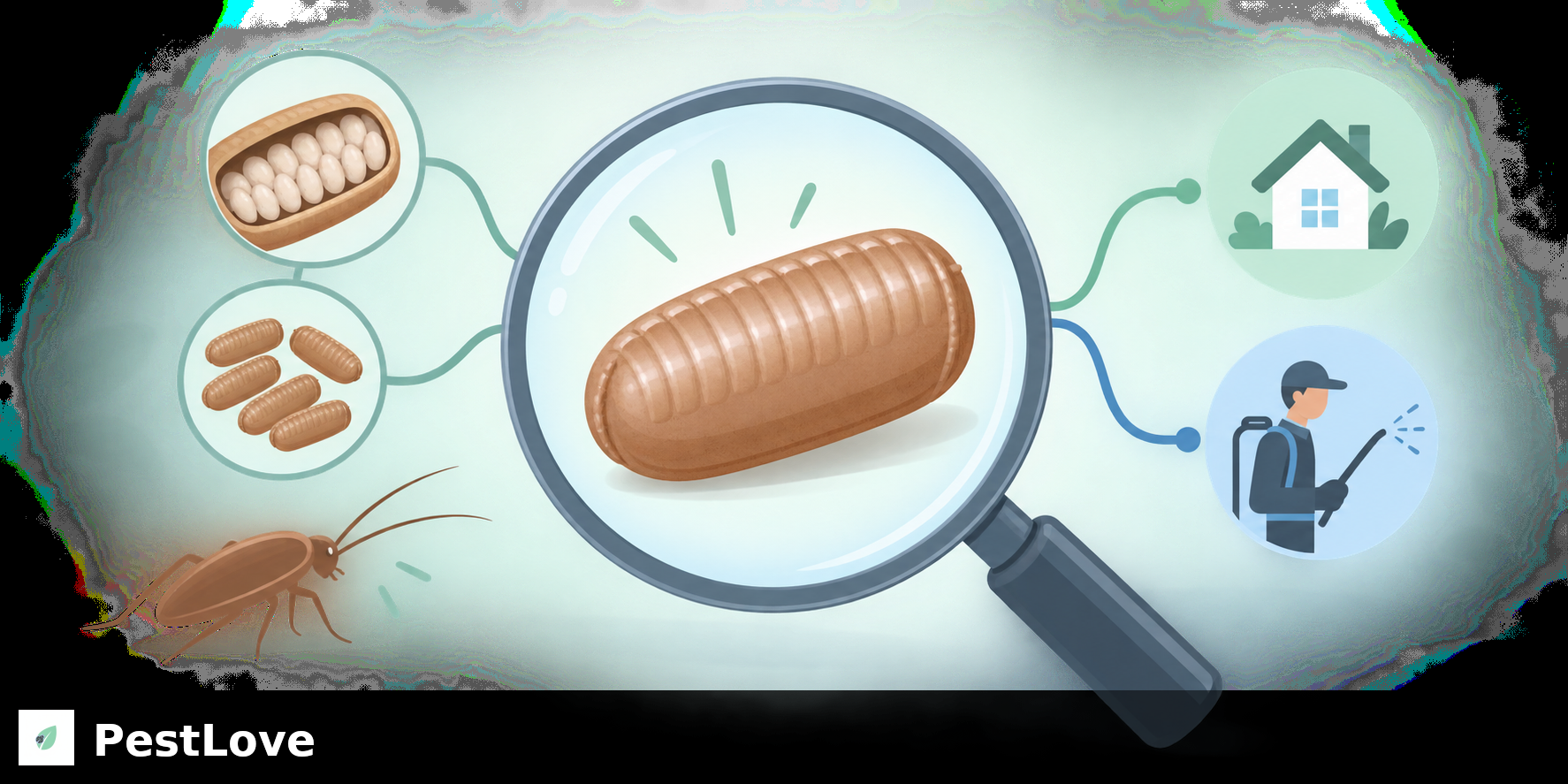
What Cockroach Egg Cases Reveal
PestLove Editorial Team
IPM
October 8, 2026
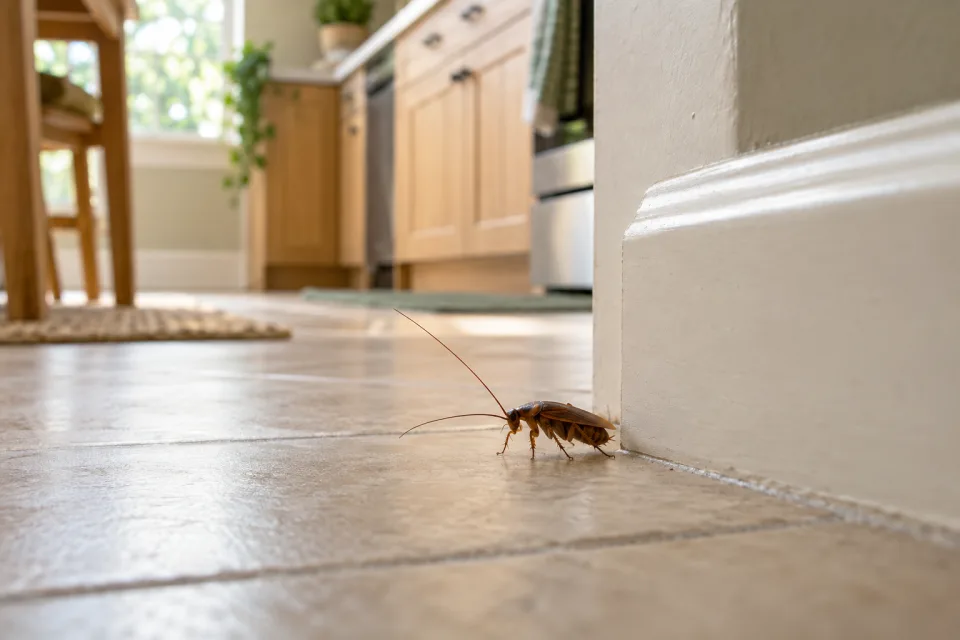
Cockroaches, belonging to the order Blattodea, are among the most resilient and adaptable pests on the planet. With over 4,500 species worldwide, only a handful—such as the German, American, and Oriental cockroaches—are significant structural pests. These insects are more than just a nuisance; they are mechanical vectors for dangerous pathogens, including Salmonella, E. coli, and Staphylococcus, which they spread by crawling over waste and then onto food preparation surfaces.
Beyond bacterial risks, cockroaches produce potent allergens found in their droppings, saliva, and shed skins, which are leading triggers for asthma and allergic reactions, particularly in children. Their cryptic nature and rapid reproductive cycles make them exceptionally difficult to eradicate without professional-grade strategies. Understanding their biology, from their preference for humid microclimates to their nocturnal foraging patterns, is essential for implementing an integrated pest management (IPM) approach that ensures long-term exclusion and safety.
Cockroaches
 Cockroaches
 Cockroaches
 Cockroaches
 Cockroaches
 Cockroaches
 Cockroaches
 Cockroaches
 Cockroaches
 Cockroaches
 Cockroaches
 Cockroaches
