 Commercial Pest Control
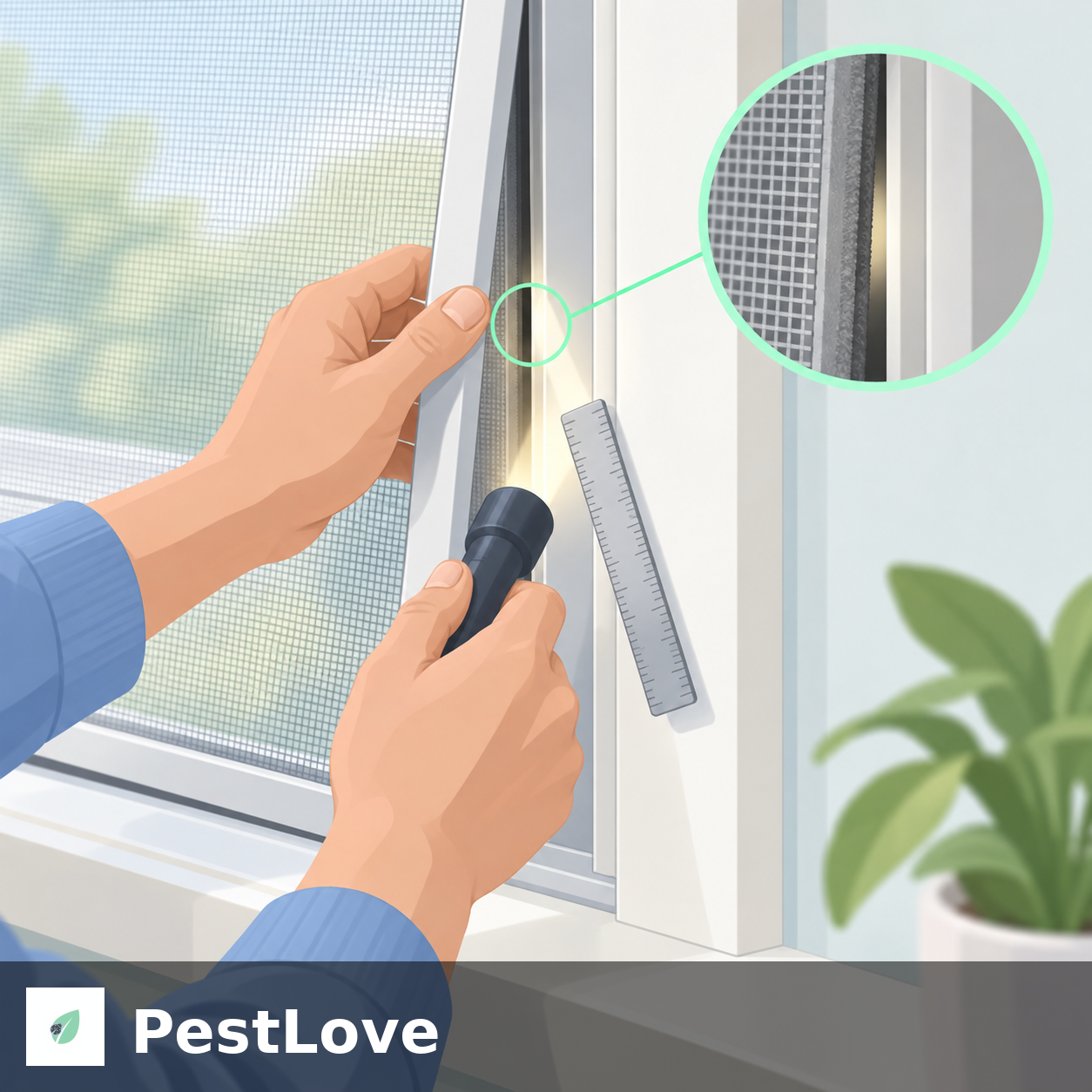
A torn mesh is only one possible insect entry point around a window. This checklist helps identify whether the screen, its frame, the window assembly or an adjacent building gap requires repair.
PestLove Editorial Team
IPM
October 1, 2026
 Commercial Pest Control
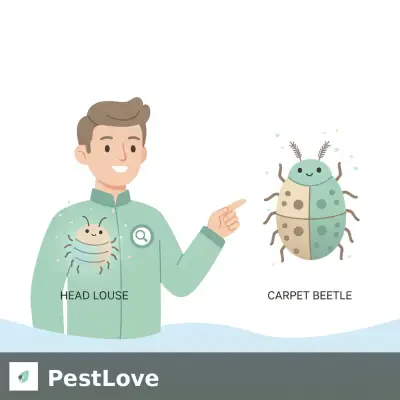
Back-to-school season in Mexican boarding schools frequently produces itch complaints blamed on head lice when the real culprit is carpet beetle larval hair irritation. This guide separates the two problems and outlines IPM responses for dormitory managers.
PestLove Editorial Team
IPM
August 13, 2026
 Commercial Pest Control
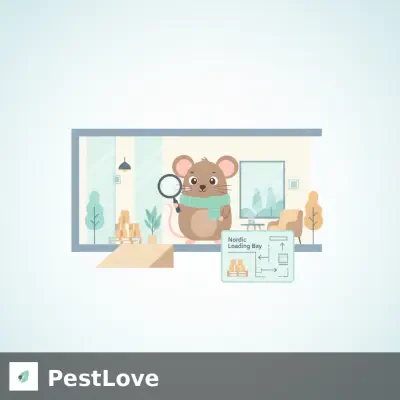
As Nordic temperatures fall, commensal rodents migrate indoors through supermarket loading bays — the weakest structural link in any retail food site. This guide outlines a systematic autumn exclusion audit built on IPM principles, covering species identification, ingress mapping, sealing specifications, and documentation standards.
PestLove Editorial Team
IPM
August 10, 2026
 Commercial Pest Control
A comprehensive guide to pre-monsoon commercial pest audits for Mumbai logistics parks. Covers identification, prevention, and treatment under IPM frameworks.
PestLove Editorial Team
IPM
May 31, 2026
 Commercial Pest Control
A reportorial guide to structuring vendor pest control compliance audits for caterers serving Saudi mega-events. Covers IPM documentation, SFDA alignment, and field verification standards.
PestLove Editorial Team
IPM
May 25, 2026
 Commercial Pest Control
When Kuwait's summer temperatures push past 50°C, mall food courts face intensified pest pressure from cockroaches, flies, and rodents seeking cool refuge. This guide outlines IPM-aligned SOPs to protect tenants, diners, and health-license compliance.
PestLove Editorial Team
IPM
May 19, 2026
 Commercial Pest Control
A reportorial guide to structuring pest control Service Level Agreements for Tokyo hotel groups ahead of a major summer tourism surge. Covers response times, IPM scope, KPIs, and compliance documentation aligned with Japanese hospitality standards.
PestLove Editorial Team
IPM
May 17, 2026
 Commercial Pest Control
A reportorial guide to structuring commercial pest control Service Level Agreements for Chinese hotel chains entering the high-risk summer compliance window. Covers vendor scope, KPIs, response times, and IPM documentation.
PestLove Editorial Team
IPM
May 12, 2026
 Commercial Pest Control
A reportorial guide to structuring commercial pest control Service Level Agreements for Kenyan safari lodges. Covers KPIs, response times, IPM scope, and audit-ready documentation aligned with hospitality and food safety standards.
PestLove Editorial Team
IPM
May 7, 2026
 Commercial Pest Control
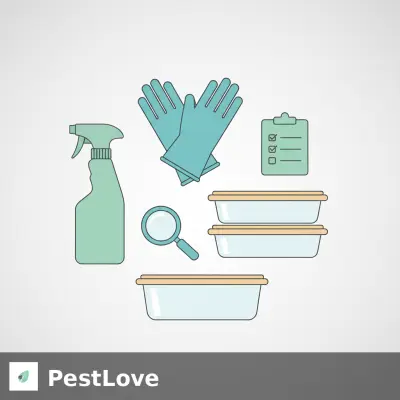
A professional IPM framework for Jordanian catering and slaughter operations preparing for the Eid al-Adha surge. Covers blow flies, rodents, cockroaches, and audit-ready documentation.
PestLove Editorial Team
IPM
May 3, 2026
 Commercial Pest Control
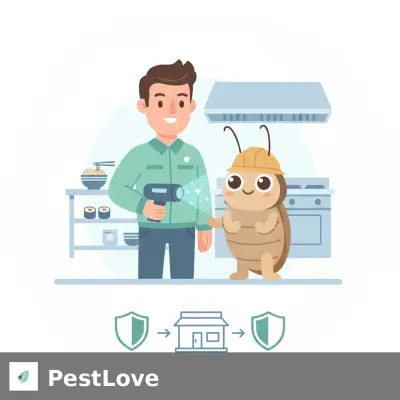
A reportorial guide to structuring pest control Service Level Agreements for multi-outlet F&B operators in Singapore. Covers NEA expectations, IPM benchmarks, response times, and audit-ready documentation.
PestLove Editorial Team
IPM
May 3, 2026
 Commercial Pest Control
Canadian food processing facilities face heightened pest pressure each spring as rising temperatures activate rodents, stored-product insects, and flies. This checklist covers regulatory, documentation, and operational steps to maintain compliance under SFCR, CFIA, and GFSI-benchmarked standards.
PestLove Editorial Team
IPM
April 27, 2026