
 Rodents
September Rodent Proofing for Tortilla Plants
PestLove Editorial Team
IPM
August 13, 2026
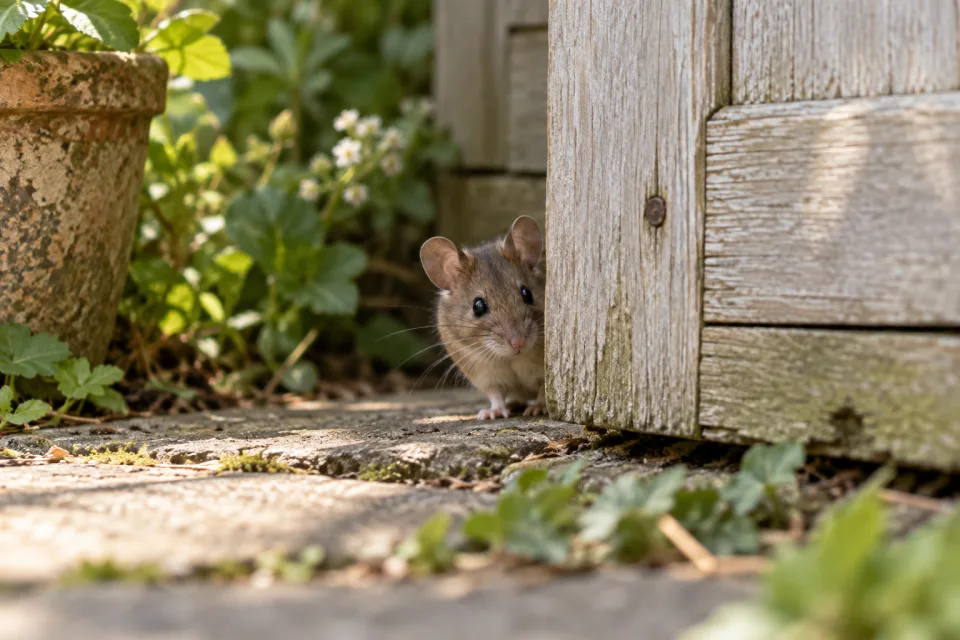
Rodents, belonging to the order Rodentia, represent one of the most successful and adaptable groups of mammals on Earth. In the context of urban and suburban environments, species such as the Brown Rat (Rattus norvegicus), House Mouse (Mus musculus), and various squirrels are not merely nuisances but significant biological threats. Their unique incisors grow continuously, necessitating constant gnawing that can lead to catastrophic structural damage, including electrical fires and compromised building integrity.
Beyond physical destruction, rodents are notorious vectors for a wide array of zoonotic diseases. From Salmonellosis and Leptospirosis to more severe threats like Hantavirus, their presence poses a direct risk to human health through contaminated surfaces and airborne pathogens found in their droppings. Understanding their complex social structures and nocturnal behaviors is critical for effective management, as traditional DIY methods often fail to address the root of a localized infestation.
At PestLove, we emphasize a scientifically grounded approach to rodent control. Professional intervention is essential not only for eradication but for Integrated Pest Management (IPM) strategies that focus on exclusion and long-term prevention. By analyzing entry points and nesting patterns, we provide the expert knowledge necessary to protect your environment from the persistent pressure of rodent populations.
Rodents
 Rodents
 Rodents
 Rodents
 Rodents
 Rodents
 Rodents
 Rodents
 Rodents
 Rodents
 Rodents
 Rodents
