
 Spiders
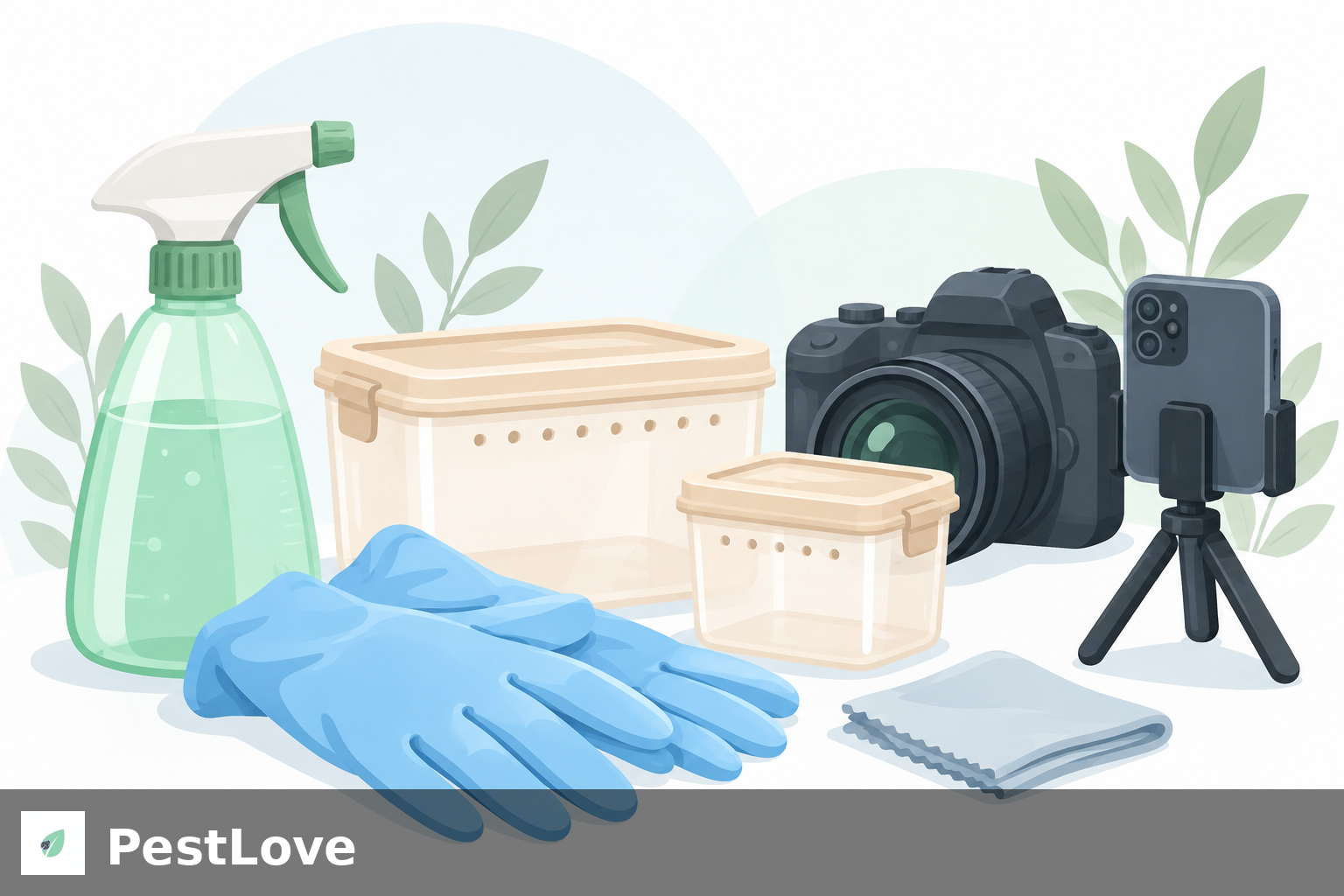
How to Photograph a Spider Safely
PestLove Editorial Team
IPM
September 21, 2026
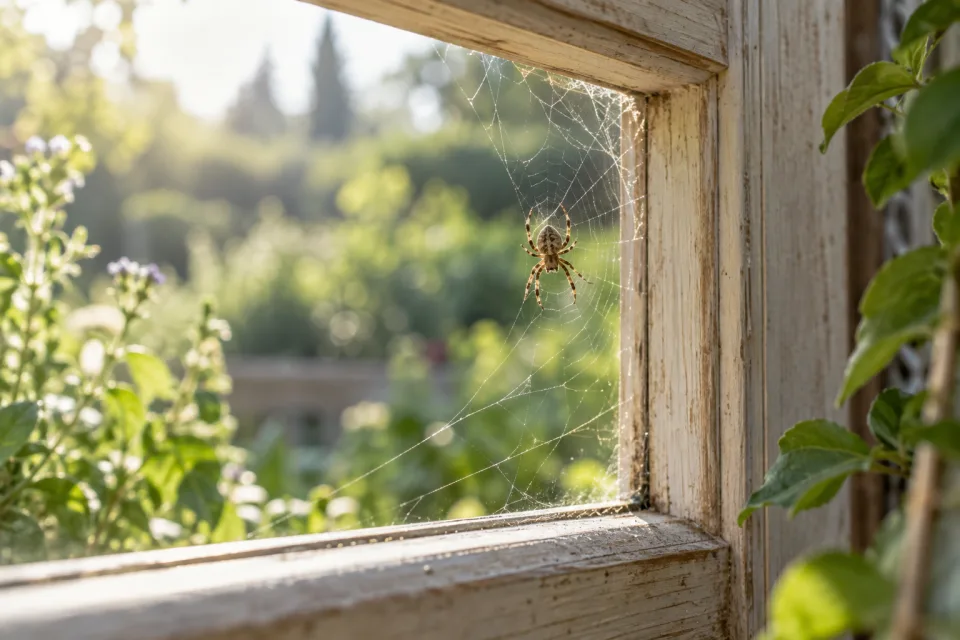
Spiders (Order Araneae) are predominantly beneficial predators that play a vital role in natural ecosystems by controlling insect populations. However, in residential and commercial settings, their presence often crosses the threshold from beneficial neighbor to structural threat. While most common species like the Cellar Spider (Pholcus phalangioides) are harmless, professional identification is essential to distinguish them from medically significant species such as the Brown Recluse (Loxosceles reclusa) or the Black Widow (Latrodectus), which can pose genuine health risks through their venomous bites.
Effective spider management requires a transition from reactive chemical applications to a comprehensive Integrated Pest Management (IPM) framework. Professional-grade control focuses on "pest pressure" reduction—minimizing the availability of the insects that serve as the spiders' primary food source. Field assessments frequently reveal that high spider activity is symptomatic of a larger, underlying insect infestation. By implementing structural exclusion—sealing foundation cracks, gaps around utility penetrations, and installing tight-fitting door sweeps—we create an environment that is biologically inhospitable to both spiders and their prey.
Beyond exclusion, habitat modification is the most sustainable tool in an entomologist's arsenal. Strategies such as reducing outdoor clutter, managing landscaping to prevent direct contact with the structure, and transitioning to sodium vapor or yellow LED lighting (which are less attractive to the nocturnal insects that spiders hunt) are proven to decrease local populations. Our approach combines these cultural controls with the mechanical removal of webs and egg sacs using specialized tools, ensuring a long-term solution that prioritizes safety and ecological balance.
Spiders
 Spiders
 Spiders
 Spiders
 Spiders
 Spiders
 Spiders
 Spiders
 Spiders
 Spiders
 Spiders
 Spiders
