
 Ticks
Ticks
Autumn Blacklegged Tick Protocols for Resorts
PestLove Editorial Team
IPM
August 11, 2026
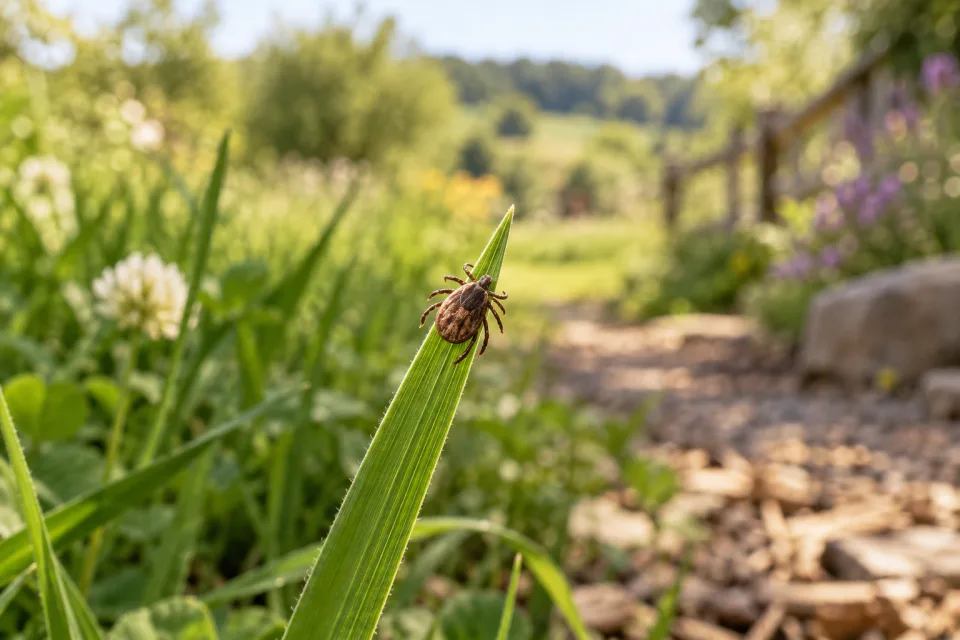
Ticks (order Ixodida) are specialized arachnid ectoparasites that rely entirely on the blood of vertebrate hosts for survival. Unlike many other pests, ticks are not insects; they are more closely related to spiders and mites. Their complex life cycle, consisting of larval, nymphal, and adult stages, often requires multiple hosts, making them significant vectors for a wide range of pathogens globally.
From a public health perspective, ticks are among the most dangerous pests encountered in suburban and rural environments. They are notorious for transmitting debilitating diseases such as Lyme disease, Rocky Mountain spotted fever, and anaplasmosis. Their ability to remain attached to a host for several days while feeding increases the risk of pathogen transmission, necessitating a deep understanding of their biology and seasonal activity patterns for effective management.
Professional knowledge is critical when dealing with tick infestations, as their microscopic size in the nymphal stage makes them exceptionally difficult to detect without expert training. Effective control involves integrated pest management (IPM) strategies that address both the ticks themselves and their primary hosts, such as rodents and deer. At PestLove, we provide the authoritative insights needed to safeguard your family and pets from these resilient parasites.
Ticks
 Ticks
Ticks
 Ticks
Ticks
 Ticks
Ticks
 Ticks
Ticks
 Ticks
Ticks
 Ticks
Ticks
 Ticks
Ticks
 Ticks
Ticks
 Ticks
Ticks
 Ticks
Ticks
 Ticks
Ticks
