
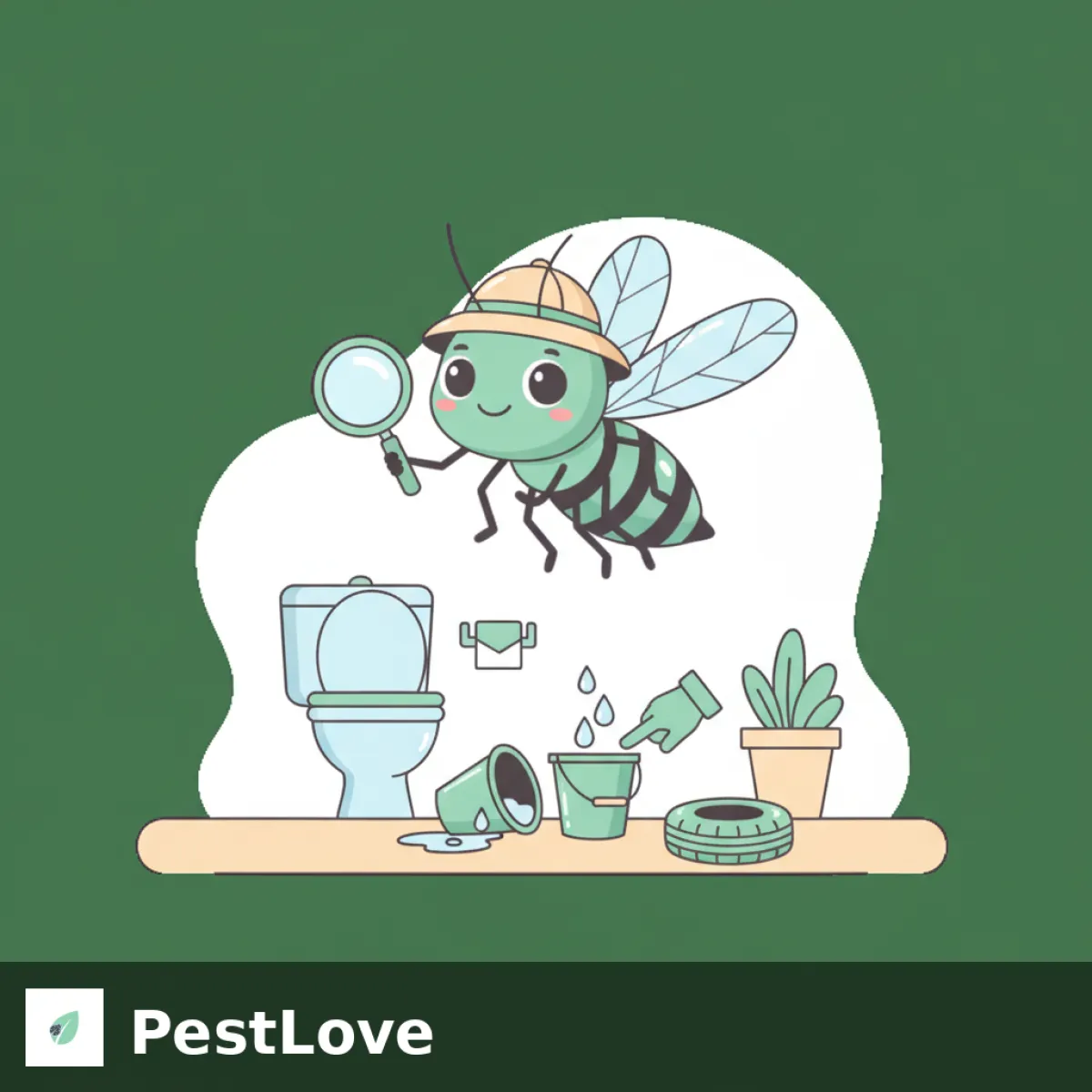
הדברת יתוש אדס ומניעת דנגי בבתי מלון ואתרי נופש בברזיל

תובנות מרכזיות

  • Aedes aegypti מתרבה במקווי מים עומדים קטנים הנפוצים בתשתיות בתי מלון — חיסול מקורות המים הוא הפעולה היעילה ביותר.
  • עונת השיא של דנגי בברזיל נמשכת מ-אוקטובר עד מאי, תקופה המלווה בגשמים וטמפרטורות גבוהות.
  • בתי מלון ואתרי נופש נושאים בנטל מוקדי דגירה בשל אלמנטים דקורטיביים, מערכות מיזוג אוויר (HVAC), וניקוז גגות.
  • גישת הדברה משולבת (IPM) הכוללת חיסול מוקדים, הדברת זחלים ביולוגית, הדברת בוגרים ממוקדת והדרכת צוות היא הסטנדרט המקצועי הנדרש.
  • נכסים בברזיל כפופים לפיקוח ANVISA; אי-ציות במהלך התפרצויות עלול להוביל לצווי סגירה.
  • יש להתקשר עם מדביר מוסמך הרשום ב-ANVISA לפני תחילת העונה.

הבנת האיום: ביולוגיה של Aedes aegypti בהקשר הברזילאי

Aedes aegypti הוא יתוש קטן המזוהה על ידי סימנים לבנים בצורת נבל על החזה ורגליים בעלות פסים לבנים. בניגוד ליתושי Culex, הוא עוקץ בשעות היום, בעיקר בשעתיים שלאחר הזריחה ולפני השקיעה — בדיוק כשהאורחים נמצאים בבריכות ובטרסות. טווח הטיסה שלו מוגבל ל-100-150 מטרים, עובדה קריטית למנהלי מתקנים: מקור הדגירה כמעט תמיד נמצא בשטח הנכס או בסמוך לו.

בתנאים החמים והלחים של הקיץ הברזילאי, מחזור החיים המלא של היתוש יכול להסתיים תוך שבעה ימים בלבד. נקבה בודדת מטילה 100-200 ביצים בכל סבב, וביצים אלו יכולות לשרוד בתנאי יובש עד 12 חודשים. לכן, חיסול מקורות מים חייב להיות מתוחזק וקבוע, לא רק פעולה חד-פעמית.

זיהוי אתרי דגירה בסיכון גבוה בתשתיות אירוח

סקר שטח שיטתי הוא הבסיס לכל תוכנית הדברה. מנהלי מתקנים צריכים למפות ולבדוק את האזורים הבאים לפחות פעם בשבוע:

אלמנטים דקורטיביים וגינון

  • מזרקות ובריכות נוי: מזרקה כבויה היא בית גידול מיידי לזחלים.
  • צמחי ברומליה: צמחים אפיפיטיים אלו הם מוקדי דגירה טבעיים בברזיל. דורשים שטיפה שבועית או טיפול ב-Bacillus thuringiensis israelensis (Bti).
  • תחתיות עציצים: יש לרוקן ולייבש כל תחתית של עציץ במרפסות ובאזורים ציבוריים פעמיים בשבוע.

תשתיות מבנה

  • ניקוז גגות ומרפסות: ניקוז חסום מוביל להצטברות מים מהירה.
  • מגשי עיבוי של מערכות מיזוג (HVAC): מגשים אלו הם מוקד דגירה נפוץ ומוזנח. יש לבדוק אותם מדי חודש.
  • מגדלי קירור: דורשים תוכניות ביוציד ותחזוקת זרימת מים רציפה.

מניעה: פרוטוקול חיסול מוקדים IPM

הארגון הבריאות העולמי וה-Programa Nacional de Controle da Dengue (PNCD) הברזילאי מגדירים את צמצום מקורות המים כקו ההגנה הראשון.

סטנדרטים שבועיים

  • הקצאת תפקידים מוגדרים לאנשי צוות לכל אזור בנכס (מרפסות חדרים, סביבת בריכות, שטחים ירוקים).
  • שימוש בצ'ק-ליסט בדיקה סטנדרטי עם תיעוד מצולם לכל אתר פוטנציאלי.
  • כל מכל שלא ניתן לסילוק (למשל, בור ניקוז מבני) חייב להיות מטופל בחומר הדברה כנגד זחלים לפני הצטברות מים.
  • שמירת רישומים למשך 12 חודשים לפחות לצרכי ביקורת רגולטורית.

טיפולים ביולוגיים וכימיים

כאשר חיסול מוקדים אינו מספיק, טיפולים משלימים הם הכרחיים. כל המוצרים חייבים להיות רשומים ב-ANVISA.

טיפולים כנגד זחלים

  • Bti (Bacillus thuringiensis israelensis): מדביר ביולוגי יעיל ובטוח לשימוש בקרבת אנשים ובעלי חיים, אינו יוצר עמידות. מתאים למערכות ניקוז ובריכות נוי.
  • Temephos (Abate): עשוי לשמש לטיפול במים שאינם לשתייה, בכפוף לניטור עמידות מקומי.
  • וסתי גדילה (IGRs): חומרים המונעים מהזחל להתפתח ליתוש בוגר, יעילים באזורים שקשה לטפל בהם בתדירות גבוהה.

הדרכת צוות ותקשורת עם האורחים

  • צוות משק הבית חייב לדווח על מים עומדים בחדרים ובמרפסות כחלק מהשירות היומי.
  • צוות התחזוקה אחראי על ניקוזים ומערכות מיזוג.
  • תקשורת עם האורחים: מסירת מידע על מניעת עקיצות (שימוש בדוחים מאושרים, לבוש ארוך) ושקיפות לגבי תוכנית ההדברה הפעילה של המלון.

רגולציה ותיאום עירוני

על בתי מלון לשמור על קשר רציף עם הרשות העירונית לניטור בריאות (Vigilância Sanitária) ולהחזיק ברישיון AFE בתוקף עבור חברת ההדברה הקבלנית. אי-הצגת תוכנית הדברה מתועדת בזמן חקירת התפרצות דנגי עלולה להוביל לקנסות כבדים ופגיעה מוניטין.

מתי להזמין מדביר מוסמך

  • לאחר אישור מקרה דנגי הקשור לנכס על ידי הרשויות.
  • במקרים של מוקדי דגירה מבניים (מערכות HVAC, מגדלי קירור) שאינם מטופלים על ידי צוות המלון.
  • לביצוע סקרי צפיפות זחלים סטנדרטיים לפני תחילת העונה.
  • לביצוע כל יישום של חומר הדברה רשום בשטחים נגישים לאורחים.
  • בנכסים הפועלים באזורים המוגדרים כנתונים תחת אזהרת מגפת דנגי.
שאלות נפוצות

Brazil's peak dengue transmission season runs from October through May, coinciding with the Southern Hemisphere summer and rainy season. However, vector control programs should be initiated at least six to eight weeks before the first seasonal rains — typically by late September. Pre-season activities include a full site survey to map potential breeding sites, contracting a licensed vector control operator, training staff on inspection protocols, clearing and screening roof drains, and treating any residual water accumulations with Bti. Starting the program reactively after cases are confirmed is both less effective and places the property in a difficult regulatory position.
The most frequently overlooked sources in hospitality properties include HVAC condensate drain trays and blocked condensate lines, which can sustain continuous larval production inside mechanical rooms. Bromeliad ornamental plantings are a significant natural source that hotel landscaping teams rarely treat. Flower pot saucers throughout guest rooms, balconies, and corridors are another pervasive source. Rooftop areas with blocked drains, folds in temporary event tarpaulins, and drainage sumps in underground parking facilities are also chronically under-inspected. A systematic weekly inspection checklist covering all these categories is essential during the transmission season.
No. ULV fogging provides short-term knockdown of adult mosquitoes but does not address the breeding sources that produce new adults continuously. Research and public health consensus, including WHO guidance and Brazil's national dengue control program, consistently show that adulticiding alone — without sustained source elimination — fails to produce lasting population reductions. Fogging may be appropriate as a supplementary measure before large outdoor events or as an emergency response to a confirmed outbreak on the property, but it must always be combined with a rigorous source elimination program. Relying exclusively on fogging also accelerates insecticide resistance in local Aedes aegypti populations.
Yes. Brazilian hotels and commercial properties are subject to ANVISA regulations and municipal Vigilância Sanitária oversight, which require that properties take active measures to eliminate vector breeding sites. In outbreak periods, which have been declared in many Brazilian states in recent years, municipalities have authority to inspect commercial properties, issue infraction notices for identified larval breeding sites, and mandate remediation. Properties that cannot demonstrate a documented, active vector control program — including inspection records, staff training logs, and licensed contractor agreements — face potential fines and, in severe cases, operational restrictions. Maintaining comprehensive documentation is not only best practice but a legal compliance requirement.
Communication should be transparent, factual, and solution-oriented. International guests — particularly those from Europe, North America, or East Asia with no prior dengue exposure — should be informed of the dengue risk context in Brazil, the steps the property is actively taking to control mosquito breeding, and specific personal protective measures they can take: using EPA-registered repellents (DEET 20–30%, picaridin, or IR3535), wearing long sleeves and trousers during early morning and late afternoon peak biting hours, and keeping room windows and doors closed or screened. Framing the communication around the property's proactive control program — rather than the risk alone — reinforces guest confidence. In-room information cards, check-in briefings, and property website health and safety sections are all appropriate channels.