
Key Takeaways
- Aedes aegypti breeds in small, artificial water containers found throughout hotel and convention infrastructure — eliminating standing water is the single most effective control action.
- Brazil's peak dengue transmission season runs from October through May, coinciding with the rainy season and elevated temperatures across the Southeast, Center-West, and Northeast regions.
- Hotels, resorts, and convention centers carry a disproportionate source burden due to decorative water features, HVAC condensate systems, rooftop drainage, and landscaped grounds.
- An Integrated Pest Management (IPM) framework combining source elimination, biological larviciding, targeted adulticiding, and staff training is the regulatory and scientific standard of care.
- Brazilian properties are subject to oversight by ANVISA (Agência Nacional de Vigilância Sanitária) and municipal Vigilância Epidemiológica units; non-compliance during outbreak periods can result in mandatory closure orders.
- A licensed vector control operator (empresa de controle de pragas registered with ANVISA) should be contracted before the season begins, not after the first case is reported.
Understanding the Threat: Aedes aegypti Biology in the Brazilian Context
Aedes aegypti is a small, dark mosquito identifiable by white lyre-shaped markings on the thorax and white-banded legs. Unlike Culex species, it is a daytime biter, with peak activity in the two hours following sunrise and in the late afternoon before sunset — precisely when hotel guests congregate at pools, outdoor restaurants, and convention terraces. Its flight range is limited to approximately 100–150 meters from a breeding site, a critical fact for facility managers: the source is almost certainly on or immediately adjacent to the property.
Under the warm, humid conditions that characterize Brazil's summer months (temperatures above 25°C accelerate larval development dramatically), the full aquatic life cycle — egg, larva, pupa, adult — can complete in as few as seven days. A single female deposits 100–200 eggs per batch across multiple containers, and eggs can withstand desiccation for up to 12 months, reactivating when re-immersed. This resilience means that dry-season source removal must be sustained, not treated as a one-time intervention before the rains begin.
Brazil recorded its most severe dengue epidemic on record in 2024, with over 6 million probable cases reported by mid-year according to the Brazilian Ministry of Health's epidemiological bulletins. The DENV-3 serotype reemergence alongside DENV-1 created conditions for severe dengue in populations with prior single-serotype immunity, raising the stakes for hospitality properties hosting international guests with no prior exposure to circulating serotypes.
Identifying High-Risk Breeding Sites Across Hospitality Infrastructure
A systematic site survey is the foundation of any dengue vector control program. Hospitality properties present a uniquely complex source landscape compared to residential settings. Facility managers should map and inspect the following categories on a minimum weekly basis during the transmission season:
Water Features and Landscaping
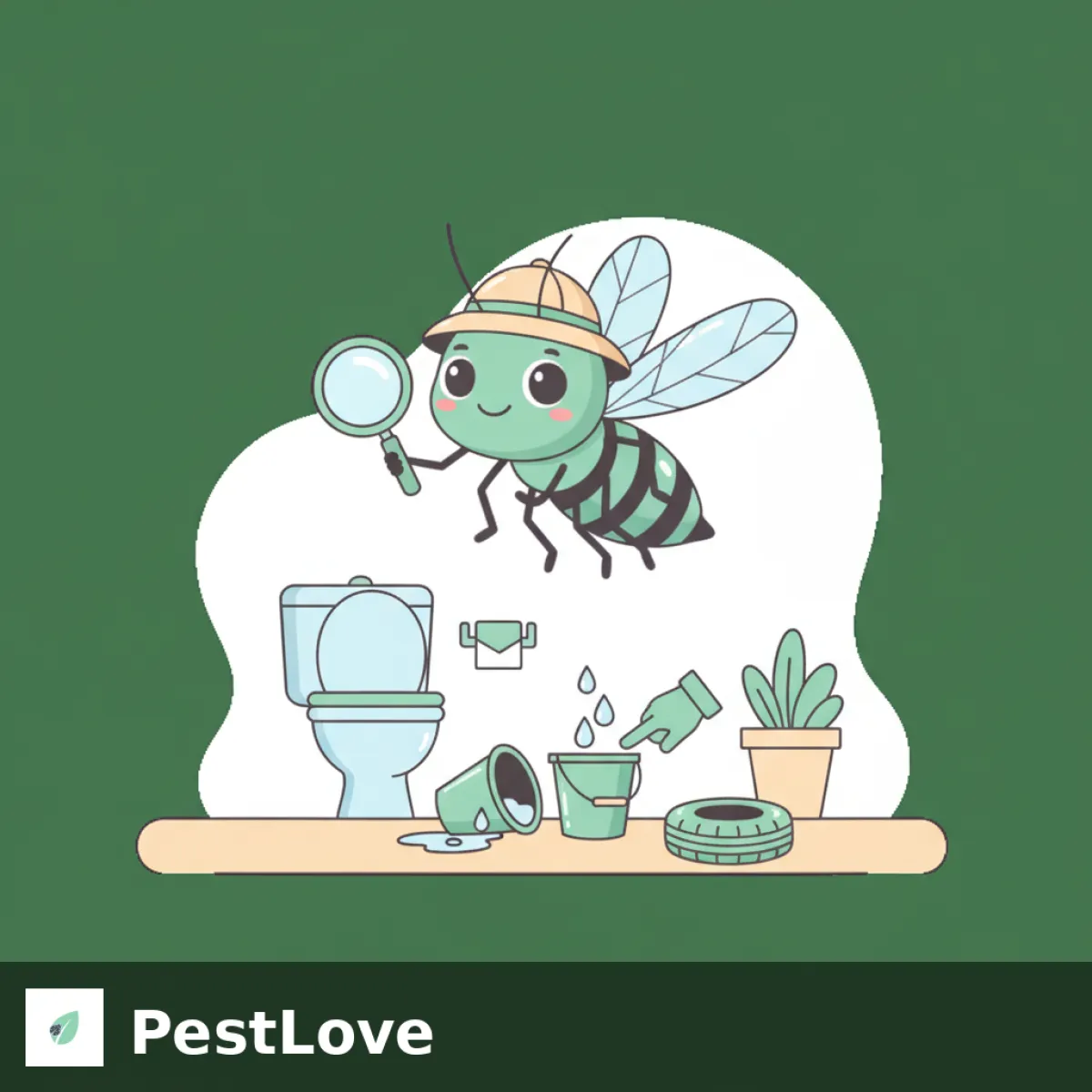
- Decorative fountains and reflecting pools: Any fountain that is switched off for maintenance, events, or energy conservation creates an immediate larval habitat. Aedes aegypti readily colonizes containers as small as a bottle cap; stagnant ornamental water is ideal.
- Bromeliad plantings: Epiphytic bromeliads are among the most productive natural breeding sites in Brazil. Hotel gardens and lobby installations featuring these plants require weekly flushing or treatment with Bacillus thuringiensis israelensis (Bti).
- Flower pot saucers and plant trays: Every potted plant on balconies, terraces, corridors, and function rooms must have its saucer emptied and dried twice weekly.
- Irrigation system catch points: Low-lying zones where irrigation overflow accumulates in mulch beds or paved depressions are frequently overlooked.
Building Infrastructure
- Rooftop and terrace drainage: Blocked roof drains and flat-roof areas accumulate water rapidly during tropical downpours. Pooling on rooftops can sustain large larval populations that adults then disperse from.
- HVAC condensate trays and drain lines: Air conditioning condensate drain pans — particularly in older or poorly maintained systems — are a widely documented Ae. aegypti breeding source in tropical commercial buildings. Drain lines should discharge freely and trays must be inspected monthly.
- Cooling tower basins: Large convention and resort properties with central cooling towers must maintain biocide programs and ensure basin-level water flow is uninterrupted.
- Underground parking and service tunnels: Drainage sumps, floor drain catch basins, and water accumulation in subterranean areas are chronically underinspected yet highly productive breeding environments.
Convention and Event Infrastructure
- Tarpaulins, tent covers, and temporary structures: Any impermeable surface deployed for outdoor events accumulates water in folds and depressions. Post-event inspection and drainage protocols must be formalized.
- Ice melt buckets, drink tubs, and service containers: Catering equipment left outdoors between events represents a direct source risk. All containers must be inverted or covered when not in active use.
- Construction or renovation areas: Brazilian hospitality properties under phased renovation are at extreme risk, as construction debris, pipe sections, and uncovered excavations accumulate water routinely.
Prevention: The IPM Source Elimination Protocol
The World Health Organization's Global Vector Control Response and Brazil's Programa Nacional de Controle da Dengue (PNCD) both designate source reduction as the primary tier of dengue vector management. For hospitality properties, this translates to a formalized, documented inspection and elimination program conducted by trained staff with management accountability.
Weekly Source Elimination Standards
- Assign specific staff roles for each inspection zone: guest room balconies, pool surrounds, landscaped areas, service corridors, and loading docks must each have a designated responsible officer.
- Use a standardized inspection checklist with GPS-tagged photo documentation for each identified potential breeding site. This documentation supports both internal audits and regulatory inspections by municipal health authorities.
- Any container that cannot be eliminated (e.g., a structural drain basin) must be treated with an approved larvicide before water accumulates to depth.
- Maintain records for a minimum of 12 months, as ANVISA and state health secretariats may request inspection logs during outbreak investigations.
Physical and Environmental Modifications
- Install fine-mesh screens (1mm or smaller) on all rainwater collection points and tank overflow pipes.
- Convert decorative water features to continuously recirculating systems; stagnant conditions, not flowing water, support larval development.
- Replace bromeliad plantings in high-traffic guest areas with non-accumulating species, or implement a formalized Bti treatment schedule if replanting is not operationally feasible.
- Audit rooftop drainage annually before the onset of the rainy season and after any heavy rainfall event that reveals drainage inadequacies.
Biological and Chemical Treatment Options
Where source elimination is incomplete or structurally impossible, larvicidal and adulticide treatments provide a secondary control layer. All products applied in Brazil must be registered with ANVISA and applied by or under the supervision of a licensed responsável técnico (technical supervisor).
Larvicidal Treatments
- Bacillus thuringiensis israelensis (Bti): A biological larvicide derived from naturally occurring soil bacteria, Bti is the preferred first-line treatment for water bodies where complete elimination is not possible. It is effective against early-instar larvae, has no toxicity to mammals, birds, or aquatic invertebrates, and does not contribute to insecticide resistance. Bti products registered in Brazil include granular and liquid formulations suitable for application in drains, fountain bases, and irrigation catch points. For properties pursuing sustainability certifications, Bti aligns with LEED and Green Globe pest management criteria.
- Temephos (Abate): An organophosphate larvicide historically used in Brazil's national programs. Its use in drinking water tanks has been phased out by the Ministry of Health due to resistance concerns, but it may still be applied by licensed operators in non-potable water accumulations. Resistance monitoring is essential; consult local public health laboratory data before specifying this product.
- Insect Growth Regulators (IGRs): Products containing pyriproxyfen (a juvenile hormone analog) prevent larval development into breeding adults. IGRs are particularly suited to water bodies that are difficult to treat regularly and where Bti may have inconsistent residual activity.
Adulticide Treatments
Adulticiding — the application of residual or space-spray insecticides targeting adult mosquitoes — is a supplementary measure, not a substitute for source elimination. Research consistently demonstrates that adulticiding alone provides short-term population suppression without addressing the breeding source, and risks accelerating insecticide resistance in local Ae. aegypti populations, a documented concern across Brazilian urban centers.
- Residual surface sprays: Pyrethroid-based residual sprays applied to shaded resting surfaces (underside of furniture, dense vegetation, service areas) can reduce adult populations. Given widespread pyrethroid resistance in Brazilian Ae. aegypti populations documented by Fiocruz and state health laboratories, resistance status should be assessed before pyrethroid-only programs are deployed. Rotation with organophosphate formulations (e.g., malathion) or neonicotinoids may be indicated.
- Ultra-low volume (ULV) fogging: Thermal or cold ULV fogging is appropriate for rapid knockdown during identified outbreak events or pre-event treatment of large outdoor spaces. It must be scheduled during peak adult activity periods (early morning or late afternoon) for maximum efficacy. Indoor fogging requires guest and staff evacuation and is subject to specific ANVISA use restrictions.
For properties seeking an evidence-based overview of broader mosquito management strategies applicable to resort settings, Integrated Mosquito Management for Tropical Resorts: Preventing Dengue Outbreaks provides a complementary framework. Guest-facing bite prevention guidance referenced in Definitive Guide: Preventing Mosquito Bites During Brazil Travel can supplement property-level communications.
Staff Training and Guest Communication Protocols
Vector control in a hospitality setting is operationally dependent on human behavior. Staff training must extend beyond dedicated pest control personnel to include housekeeping, maintenance, groundskeeping, and food and beverage teams.
- Housekeeping staff should be trained to inspect balcony plant saucers, remove standing water from ice buckets and amenity containers, and report blocked drains or standing water on terraces during daily room servicing.
- Maintenance teams should understand that reporting HVAC condensate line blockages and rooftop drainage issues to the facilities manager is a vector control obligation, not merely a building maintenance matter.
- Guest communications should include clear, non-alarming information about dengue risk, personal protective measures (EPA-registered repellents containing DEET, picaridin, or IR3535; long sleeves during peak biting hours), and the property's active control program. Transparency — particularly for international guests traveling from dengue-naïve regions — is both an ethical and reputational imperative.
- Convention and events teams must integrate source elimination checks into pre-event and post-event operational checklists for all outdoor and semi-outdoor function spaces.
Regulatory Compliance and Municipal Coordination
Brazilian hotels and convention properties operate within a multilevel regulatory framework for vector control. ANVISA sets national standards for pesticide registration and operator licensing. State health secretariats and municipal Vigilâncias Sanitárias conduct property inspections, issue infraction notices, and in declared outbreak emergencies, have authority to mandate access for public health vector control teams. During the 2024 epidemic, multiple Brazilian municipalities activated emergency public health protocols that included mandatory reporting of larval indexes on commercial properties.
Properties should proactively establish a point of contact with the local Vigilância Sanitária before the season begins, maintain all required pesticide application records, and ensure their contracted pest control operator holds a current ANVISA Autorização de Funcionamento de Empresa (AFE). Failure to demonstrate a documented vector control program during a dengue notification investigation can result in fines and reputational exposure in the Brazilian regulatory public record system.
When to Call a Licensed Professional
While property management teams can execute daily source elimination routines, the following circumstances require engagement with a licensed vector control company (empresa de controle de vetores) registered with ANVISA:
- Any confirmed dengue case linked to the property by municipal epidemiological investigation.
- Discovery of larval populations in structural water bodies (HVAC systems, cooling towers, underground drainage) that cannot be safely addressed by facility staff.
- Pre-season baseline larval density surveys using standardized Breteau Index or stegomyia index methodology, which require trained entomological technicians.
- Application of any registered pesticide product, whether larvicide or adulticide, in guest-accessible areas.
- Properties operating in municipalities classified under dengue epidemic alert status by the Ministry of Health, where intensified professional intervention schedules are expected by regulators.
- Large convention events hosting more than 500 attendees, where pre-event and post-event professional treatment of outdoor function spaces is considered best practice.
A licensed professional can also conduct resistance bioassays to determine whether locally circulating Ae. aegypti populations have developed resistance to specific insecticide classes — a critical piece of intelligence before any chemical treatment program is designed. For properties managing broader pest programs alongside dengue control, Integrated Pest Management (IPM) for Luxury Hotels in Arid Climates and Mosquito Larvicide Application for Hotel Water Features and Koi Ponds offer complementary program design frameworks.
