
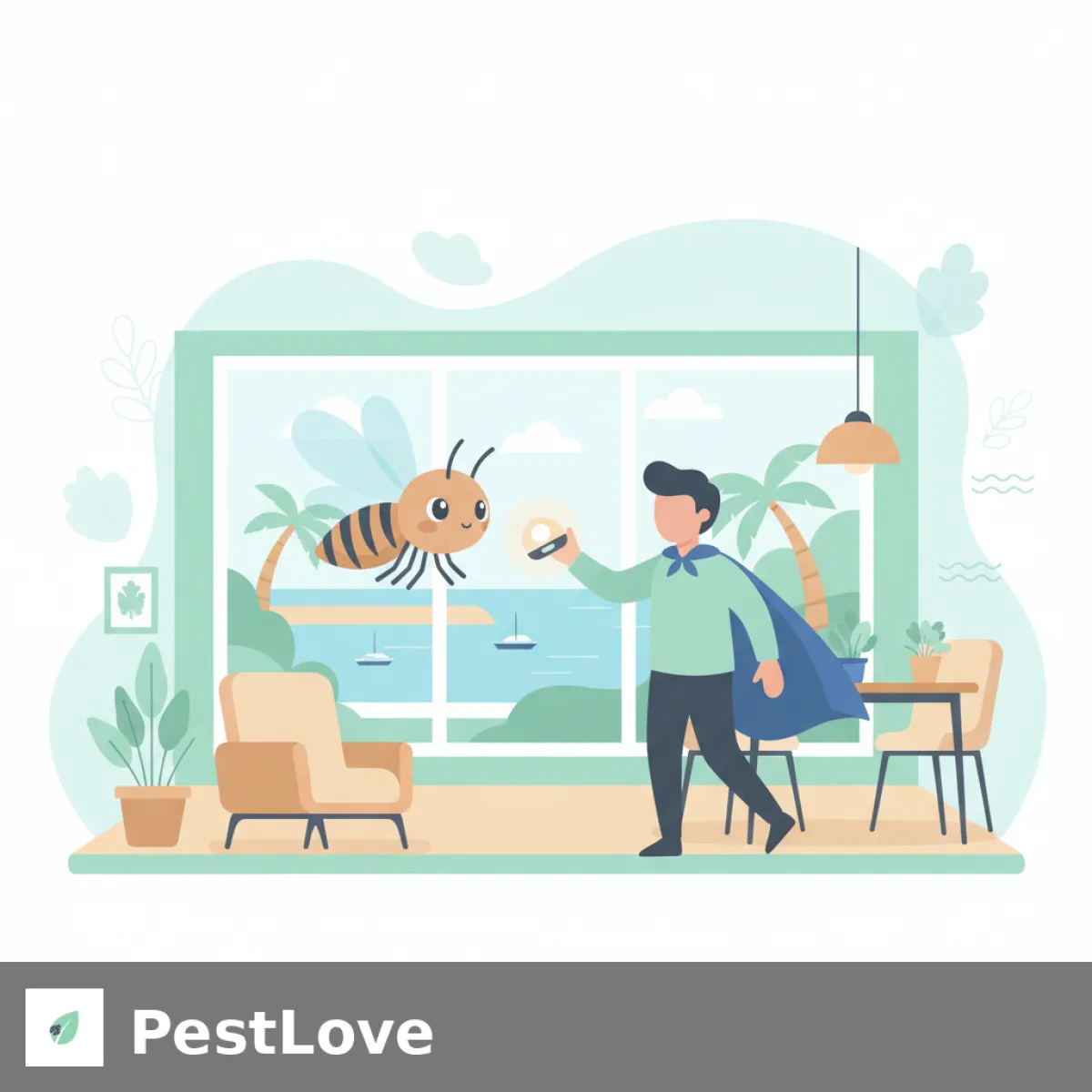
การควบคุมยุงลายในรีสอร์ทและท่าเรือชายฝั่งตุรกี

สาระสำคัญ

  • Aedes albopictus (ยุงลายสวน) เป็นพาหะหลักตามแนวชายฝั่งทะเลอีเจียนและเมดิเตอร์เรเนียนของตุรกี ซึ่งมักเริ่มระบาดเมื่ออุณหภูมิสูงกว่า 10°C (50°F)
  • สภาพแวดล้อมในรีสอร์ทชายฝั่ง เช่น ท่าเรือ, สวนน้ำประดับ, กระถางต้นไม้ริมสระ และระเบียงร้านอาหาร เป็นแหล่งเพาะพันธุ์ยุงที่สำคัญ
  • การจัดการยุงแบบบูรณาการ (IMM) ที่ผสมผสานการลดแหล่งเพาะพันธุ์, การใช้สารชีวภาพกำจัดลูกน้ำ และการฉีดพ่นสารเคมีเฉพาะจุด คือวิธีที่มีประสิทธิภาพที่สุด
  • การสำรวจพื้นที่ก่อนเปิดฤดูกาล 4-6 สัปดาห์เป็นเรื่องสำคัญยิ่งในการกำจัดลูกน้ำรุ่นแรกก่อนที่ประชากรยุงตัวเต็มวัยจะพุ่งสูง
  • ผู้ประกอบการต้องปฏิบัติตามกฎระเบียบของกระทรวงสาธารณสุขตุรกี (Sağlık Bakanlığı) และหน่วยงานควบคุมพาหะท้องถิ่น พร้อมบันทึกข้อมูลการจัดการศัตรูพืช
  • การจัดการในพื้นที่ที่มีแขกต้องเน้นการใช้สารเคมีกลิ่นน้อยและตกค้างต่ำ โดยดำเนินการในช่วงเวลาที่แขกไม่อยู่

เข้าใจภัยคุกคาม: ชีววิทยาของ Aedes albopictus

ยุงลายสวน (Aedes albopictus) มีแถบสีขาวที่ขาและอก เป็นยุงที่ออกหากินเวลากลางวันอย่างดุร้าย โดยเฉพาะช่วงรุ่งสางและเย็น ซึ่งเป็นเวลาที่แขกมักใช้บริการระเบียงร้านอาหารและท่าเรือ ยุงชนิดนี้จะวางไข่ในภาชนะบรรจุน้ำขนาดเล็ก ไข่มีความทนทานสูงและจะฟักตัวอย่างรวดเร็วเมื่ออุณหภูมิถึง 15–20°C ในช่วงเดือนมีนาคมถึงเมษายน ผู้ประกอบการจึงมีเวลาทองเพียง 4-6 สัปดาห์ก่อนเปิดฤดูกาลในการควบคุมลูกน้ำรุ่นแรก

การจำแนก: ยุงลายสวน vs ยุงท้องถิ่น

Ae. albopictus มีแถบสีขาวเด่นกลางอก (scutum) ขนาดตัวเล็กกว่ายุงรำคาญ (Culex pipiens) หากถูกกัดในที่ร่มตอนกลางวัน มักเป็นฝีมือของยุงลายสวน แหล่งเพาะพันธุ์ที่พบบ่อยได้แก่:

  • จานรองกระถางต้นไม้และกระถางดินเผา
  • ช่องระบายน้ำในท่าเรือและน้ำขังในเรือ
  • น้ำพุ, บ่อปลา และแหล่งน้ำที่มีน้ำนิ่ง
  • รางน้ำฝนที่อุดตัน
  • อุปกรณ์ที่วางทิ้งไว้ เช่น เก้าอี้หงาย, ฐานร่ม
  • ผ้าใบคลุมเรือหรือโครงสร้างกันแดดที่มีน้ำขัง

การป้องกัน: ลดแหล่งเพาะพันธุ์คือหัวใจสำคัญ

การจัดการยุงแบบบูรณาการเน้นการกำจัดแหล่งเพาะพันธุ์ก่อนใช้สารเคมี:

  • กำจัดน้ำขังภายใน 72 ชั่วโมง ในพื้นที่ทั้งหมด
  • ติดตั้งตาข่ายกันยุง บนถังเก็บน้ำหรือบ่อน้ำ
  • ปรับปรุงรางน้ำ ให้ระบายน้ำได้ดี
  • ปรับระดับพื้นที่ภูมิทัศน์ เพื่อป้องกันน้ำขังหลังการให้น้ำ

การควบคุมด้วยชีวภาพและเคมี

การใช้สารชีวภาพ (Larviciding)

Bacillus thuringiensis israelensis (Bti) เป็นสารชีวภาพหลักที่ปลอดภัยต่อคน สัตว์เลี้ยง และปลา ใช้สำหรับกำจัดลูกน้ำทุก 7-14 วันในช่วงฤดูกาล

การฉีดพ่นกำจัดตัวเต็มวัย (Adulticide)

หากประชากรยุงเกินเกณฑ์มาตรฐาน ให้ใช้การฉีดพ่นสารเคมีกลุ่มไพรีทรอยด์ (Pyrethroid) บริเวณแหล่งพักอาศัยของยุงในช่วงรุ่งสางหรือพลบค่ำ หรือใช้การฉีดพ่นแบบ ULV เพื่อลดปริมาณยุงอย่างรวดเร็วในกรณีที่มีกิจกรรมพิเศษ

การปฏิบัติตามกฎระเบียบในตุรกี

ผู้ประกอบการในตุรกีต้องอยู่ภายใต้การกำกับดูแลของ İl Sağlık Müdürlüğü (ผู้อำนวยการสาธารณสุขจังหวัด) และเทศบาลท้องถิ่น โดยต้องมีแผน IMM ที่เป็นลายลักษณ์อักษร, บันทึกการให้บริการ, และใช้ผลิตภัณฑ์ที่ขึ้นทะเบียนกับกระทรวงเกษตรและป่าไม้ของตุรกี (Tarım ve Orman Bakanlığı)

เมื่อไหร่ที่ควรจ้างมืออาชีพ?

ควรจ้างผู้เชี่ยวชาญที่มีใบรับรอง (biyosidal ürün uygulayıcı belgesi) หากพบแหล่งเพาะพันธุ์ที่เข้าถึงยาก, ปริมาณยุงกัดเกินเกณฑ์มาตรฐาน, หรือเมื่อมีการร้องเรียนจากแขกเรื่องอาการป่วยที่อาจเกิดจากยุง เพื่อการจัดการที่ถูกต้องตามกฎหมายและลดความเสี่ยงทางธุรกิจ

คำถามที่พบบ่อย

Aedes albopictus populations begin emerging in coastal Turkish provinces typically from late March through April, once ambient temperatures consistently exceed 10°C and water temperatures reach the 15–20°C range required for egg hatching and larval development. Resorts targeting an April or May opening should begin larval source reduction protocols no later than six to eight weeks before the planned opening date to suppress the first adult cohort before guest arrival.
The most frequently missed larval habitats in resort settings include decorative plant pot saucers on dining terraces, folded boat covers and tarpaulins on docked vessels, blocked roof gutters and scupper drains on bungalow blocks, ornamental water features with poor circulation, and bilge water accumulations in marina vessels — particularly in live-aboard and charter boats stored under winter covers. Any water-holding container of even modest volume (as little as 50 mL) can support a productive Ae. albopictus larval cohort.
Aedes albopictus is a documented competent vector for dengue fever, chikungunya, and Zika virus. While large-scale autochthonous transmission of these arboviruses remains limited in Turkey at present, the European Centre for Disease Prevention and Control has documented locally acquired dengue and chikungunya cases in neighboring Mediterranean countries in recent years. The species' established and expanding populations across Turkey's coastal provinces represent an increasing epidemiological risk, and resort operators have both a guest welfare and public health obligation to implement effective vector control programs.
Bacillus thuringiensis israelensis (Bti) in granular or dunk formulations is the preferred larvicide for use near guest areas, food service zones, ornamental ponds, and water features. Bti is selectively toxic to mosquito larvae, is approved for use in potable water systems by major regulatory bodies, and poses no risk to humans, pets, aquatic life, or beneficial insects. Spinosad-based products offer a complementary biological option. Both should be applied every 7–14 days during the active season. All products used in Turkey must be registered with the Ministry of Agriculture and Forestry under the appropriate biocidal product category.
Turkish resort operators are subject to oversight from the İl Sağlık Müdürlüğü (Provincial Health Directorate) and local municipal vector control units. While specific national legislative requirements vary, operators holding international certifications such as Green Key or Travelife are required to maintain written IPM plans and service documentation. In all cases, maintaining dated service logs covering all larvicide and adulticide applications — including product, concentration, application area, and applicator license number — is strongly recommended as standard practice and is essential for defending against guest complaints, insurance claims, or regulatory inspections.
A layered approach combining non-chemical and targeted chemical measures is most effective. Physical deterrents including ceiling fans generating 1 m/s or more of airflow over seating areas, amber LED lighting (which is significantly less attractive to mosquitoes than white or UV-emitting bulbs), and mosquito curtain or screen systems on semi-enclosed terraces substantially reduce guest exposure without chemical residues near food. Residual barrier spray applications to surrounding vegetation and structural resting sites — conducted before service hours and after food preparation — provide adulticide protection without direct food contact. Biological larvicide programs targeting breeding sites in nearby planters and drainage features complete the protection layer.