
Key Takeaways
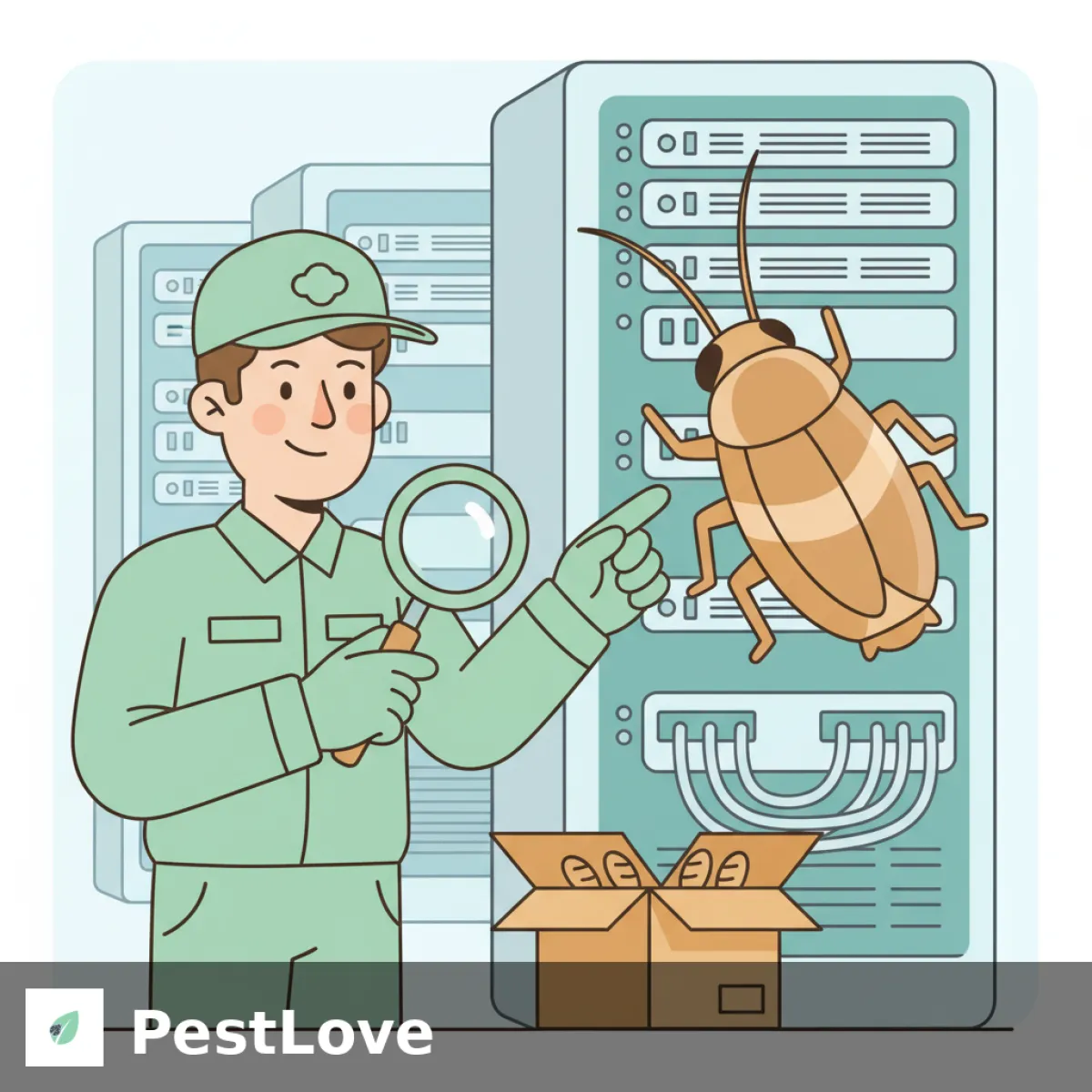
- Distinct Behavior: Unlike German cockroaches, Brown-banded cockroaches (*Supella longipalpa*) prefer warm, dry environments and are often found near ceilings, behind wall décor, and inside electrical equipment.
- Infrastructure Risk: Their affinity for heat makes server rooms and office electronics prime targets, posing risks of short circuits and equipment damage.
- Detection Strategy: Monitoring traps must be placed at various vertical heights, not just floor level, to effectively detect populations.
- Control: Successful eradication requires a combination of vacuuming, targeted gel baits, and Insect Growth Regulators (IGRs), minimizing the use of liquid sprays around sensitive technology.
While the German cockroach is the scourge of commercial kitchens, the Brown-banded cockroach (*Supella longipalpa*) presents a unique and often underestimated threat to corporate offices, data centers, and non-food environments. Because they require less moisture and thrive in higher temperatures (preferring 80°F or higher), these pests often colonize areas that facility managers consider low-risk, such as server rooms, drop ceilings, and office furniture.
For IT directors and property managers, the presence of *S. longipalpa* is not merely a sanitation issue but a direct threat to infrastructure. These insects frequently harbor inside computer casings and server racks, attracted by the heat generated by components. Their feces and cast skins can cause allergic reactions in employees and, more critically, lead to hardware malfunctions and short circuits. This guide outlines professional detection and Integrated Pest Management (IPM) strategies specifically for corporate environments.
Identification: Distinguishing Supella longipalpa
Correct identification is the cornerstone of effective pest management. Mistaking Brown-banded cockroaches for German cockroaches often leads to treatment failure because their harborages differ significantly.
Physical Characteristics
- Size: Approximately 1/2 inch (10-14 mm) long.
- Coloring: Light brown to dark brown with two distinct, lighter bands running across the wings and abdomen. These bands may be hidden by wings in adults but are prominent in nymphs.
- Wings: Adult males have full wings and can fly when disturbed; females have shorter, non-functional wings.
- Oothecae (Egg Cases): The egg capsules are small (approx. 5 mm), reddish-brown, and hard. Unlike German cockroaches, which carry their eggs until hatching, Brown-banded females glue their oothecae to hidden surfaces—underneath desks, behind picture frames, or inside computer chassis.
Behavior and Habitat: The "Furniture Cockroach"
Entomologists sometimes refer to *S. longipalpa* as the "furniture cockroach" due to its tendency to infest non-food areas. Understanding their unique behavior is critical for detection.
Vertical Distribution
Brown-banded cockroaches exhibit strong negative geotaxis in their resting habits, meaning they are frequently found high up on walls rather than at floor level. In an office setting, common harborage points include:
- Behind wall-mounted clocks, artwork, and whiteboards.
- Inside hollow legs of office chairs and desks.
- Within upper cabinets and crown molding.
- Inside Electronics: They are thermotactic (drawn to heat). The internal warmth of running servers, desktop towers, and telephone switchboards makes these devices ideal nurseries for nymphs.
Dietary Preferences
While they scavenge for food scraps like other roaches, Brown-banded cockroaches have a broad palate that includes starchy materials. They will readily consume book bindings, wallpaper paste, stamps, and even nylon stockings. This allows them to survive in file rooms and administrative areas far removed from the employee breakroom.
Risks to IT Infrastructure and Server Rooms
The intersection of pest biology and technology creates significant risk in corporate settings. Server rooms, often kept secure and rarely deep-cleaned, provide the stability and heat *S. longipalpa* craves.
Infestations in these areas lead to:
- Equipment Failure: Roaches entering ventilation slots can bridge electrical contacts, causing short circuits.
- Contamination: Fecal matter and regurgitated food can corrode delicate circuit boards over time.
- Fire Risk: In extreme cases, mass accumulation of dead roaches inside high-voltage equipment can pose a fire hazard.
For further reading on protecting sensitive technical environments, consult our guide on preventing pest damage in industrial electronics and pest exclusion standards for data centers.
Detection and Monitoring Strategies
Passive monitoring is essential for early detection, especially since Brown-banded cockroaches are nocturnal and elusive. Standard floor-level trapping is often ineffective.
Strategic Trap Placement
Sticky traps (glue boards) should be deployed in a 3D grid pattern:
- High Locations: Place traps on top of high cabinets, shelving units, and vending machines.
- Vertical Surfaces: Use double-sided tape to affix small traps behind wall hangings and bulletin boards.
- Heat Sources: Position traps near the ventilation exhaust of large printers, copiers, and server racks.
Visual Inspections
Regular inspections should focus on "crack and crevice" locations. Use a flashlight and a telescopic inspection mirror to check:
- The undersides of conference tables and desks.
- Inside electrical conduits and cable chases.
- The intersection of walls and drop ceilings.
Integrated Pest Management (IPM) Protocols
Eradicating Brown-banded cockroaches in an office requires a multi-faceted approach. Relying solely on spraying baseboards is ineffective and potentially hazardous in an environment with computers and employees.
1. Sanitation and Exclusion
Remove potential food sources by enforcing clean-desk policies and restricting eating to designated breakrooms. Seal cracks around conduit penetrations to prevent movement between rooms. For broader office protection strategies, review our insights on preventing pest incursions in office complexes.
2. Vacuuming
Use a HEPA-filter vacuum to physically remove live roaches, cast skins, and egg cases. This immediately reduces the breeding population and removes allergens. Vacuuming is particularly effective for cleaning the exterior vents of electronic equipment.
3. Baiting Strategies
Gel baits are the gold standard for office environments. They are discreet, odorless, and target the pest at the source.
- Placement: Apply bait in small, pea-sized drops in upper corners of cabinets, under drawer lips, and behind equipment.
- Rotation: Rotate bait formulations (different active ingredients) every quarter to prevent physiological resistance, a concept discussed in our guide on managing cockroach resistance.
4. Insect Growth Regulators (IGRs)
IGRs, such as hydroprene or pyriproxyfen, disrupt the lifecycle of the cockroach, causing nymphs to molt into sterile adults with twisted wings. This is a critical long-term strategy for *S. longipalpa*, as it breaks the reproductive cycle without requiring heavy pesticide application.
When to Call a Professional
While facility managers can handle monitoring, an established infestation in a server room or across multiple office floors requires professional intervention. Commercial pest management professionals have access to specialized equipment, such as micro-injectors for sensitive electronics and Actisol machines for deep void treatment.
Contact a licensed professional if:
- Roaches are visible during the day (indicating a high population density).
- Traps in server rooms or IT closets show activity.
- Staff report respiratory issues or allergies potentially linked to pest debris.
