
Key Takeaways for Facility Managers
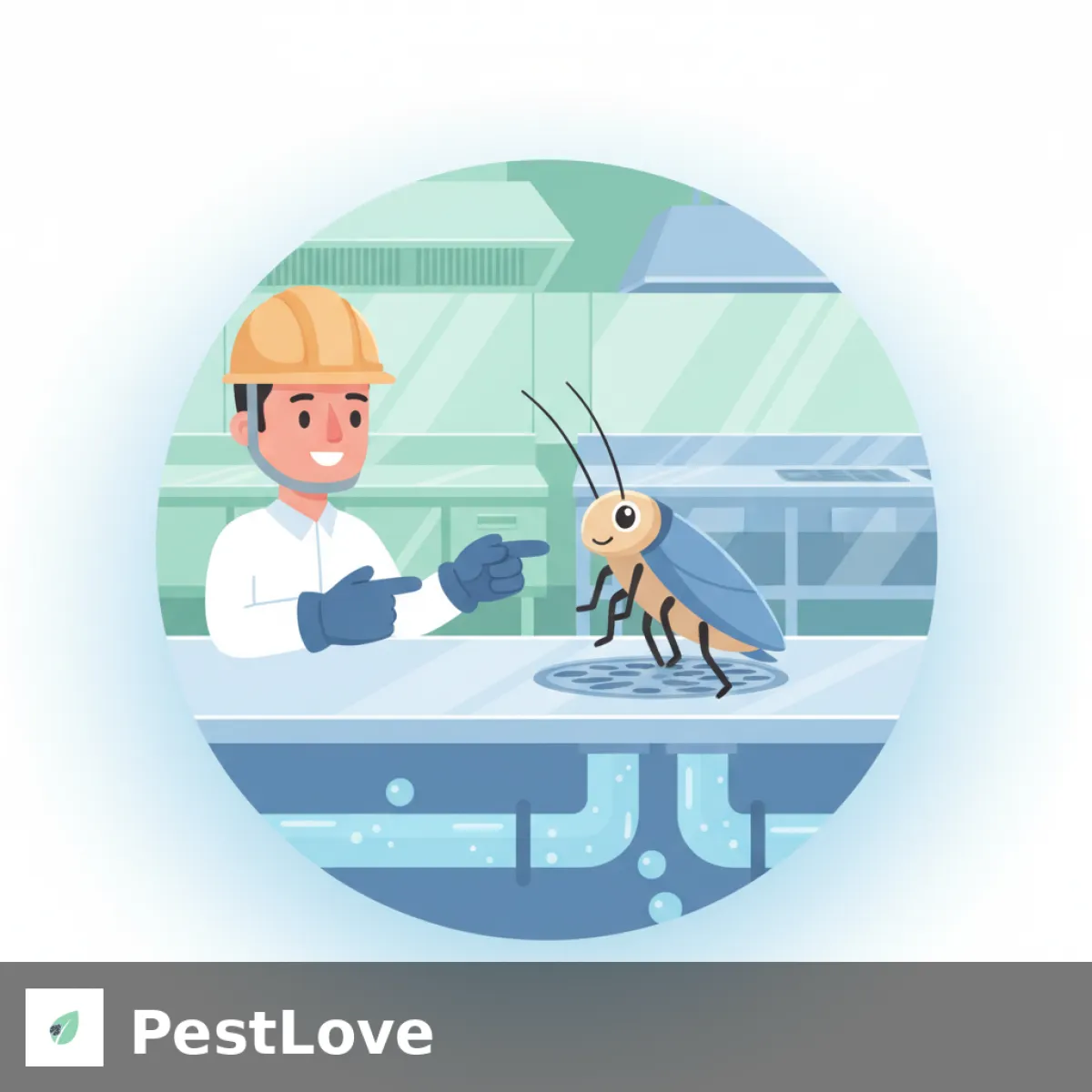
- The Source is Often Deeper: American cockroaches (Periplaneta americana) often travel up from municipal sewers through dry or defective traps.
- Bleach is Not the Answer: Pouring bleach provides a temporary kill but fails to remove the biofilm 'food' that attracts them.
- Bio-Sanitation is Critical: Enzymatic cleaners that digest organic waste are the gold standard for drain maintenance.
- Exclusion Stops Re-entry: Installing proper drain covers and trap guards is as important as chemical treatment.
In my years inspecting commercial kitchens and industrial facilities, few sights cause panic quite like an American cockroach scurrying across a dining room floor. Unlike the smaller German cockroach, which hides in crevices behind equipment, the American cockroach—often mislabeled as a "water bug" or "palmetto bug"—is a massive invader that signals a breach in your facility's perimeter defense, specifically your drainage system.
For restaurant owners and facility managers, this isn't just a nuisance; it is a direct threat to your health inspection score and brand reputation. An American cockroach infestation implies a connection between your clean facility and the unsanitary municipal sewer lines. This guide outlines the professional protocols we use to sever that connection and eliminate the threat.
Identification: Knowing Your Enemy
Before treating, we must confirm the species. I have seen many managers waste resources treating for German cockroaches (Blattella germanica) when they actually have an American cockroach intrusion. The protocols are entirely different.
- Size: American cockroaches are large, often 1.5 to 2 inches (38-50 mm) long.
- Color: Reddish-brown with a pale yellow figure-8 pattern on the pronotum (the shield behind the head).
- Behavior: They are fast runners and, unlike German roaches, adults can glide or fly short distances.
- Habitat: They prefer dark, damp, warm environments. In commercial settings, they are almost exclusively found in boiler rooms, basements, and emerging from floor drains.
If you are seeing smaller bugs in the kitchen equipment motors, read our guide on German Cockroach Elimination in Commercial Kitchens.
Why Drains? The Biology of the Infestation
American cockroaches are thigmotactic (they like tight spaces) and require high humidity. Commercial drains provide the perfect ecosystem: constant moisture, warmth from hot water discharge, and an endless buffet of decaying organic matter (biofilm) lining the pipes.
The Dry P-Trap Failure
The most common entry point I encounter in the field is the dried-out P-trap. The U-shaped pipe under a drain is designed to hold water, creating a seal that blocks sewer gases and pests. In floor drains that are rarely used (like those in storage rooms or older restrooms), this water evaporates. Once that seal is broken, it is an open highway for roaches traveling from the city sewer directly into your facility.
Step 1: The Inspection Protocol
You cannot treat what you do not see. Grab a high-lumen flashlight and a screwdriver.
- Remove Grates: Physically lift the floor drain covers. This is often where the "scum" builds up.
- Check the Trap: Shine your light down. Is there standing water? If it's bone dry, you've likely found your entry point.
- Inspect the Gaps: Look for cracks in the grout around the drain. American roaches can squeeze through gaps the height of a quarter.
- Look for Evidence: Check for egg cases (oothecae)—dark, purse-shaped capsules often glued near the drain opening.
Step 2: Bio-Sanitation (The Deep Clean)
Many facilities rely on bleach or hot water. While these sanitize surfaces, they do not remove the biofilm—the gelatinous sludge of fats, oils, and grease (FOG) that roaches feed on. As long as the food source remains, the roaches will return.
The Professional Solution: Bio-Enzymatic Cleaners
We use cleaners containing specialized bacteria and enzymes that actively digest organic waste. When applied to drains (typically during the nightly shutdown), these enzymes eat away the biofilm, effectively removing the roach's food source and breeding ground. This is the same principle used in eliminating drain flies in commercial kitchens.
Step 3: Exclusion and Mechanical Barriers
Once the drains are clean, you must physically block entry.
- Trap Seals: Install rubber or silicone trap guards. These one-way valves allow water to flow down but prevent pests and gases from coming up. This is a vital investment for rarely used drains.
- Mesh Screens: Ensure all drain covers are intact. If a grate is broken, replace it immediately.
- Seal Penetrations: Use water-resistant sealant around the drain rim where it meets the floor tile.
Step 4: Chemical Control (Targeted Application)
Warning: Always follow label instructions and local regulations regarding pesticide use in food-handling areas.
For active infestations, sanitation alone may be too slow. We employ a targeted approach:
- Insect Growth Regulators (IGRs): Products like Hydroprene or Pyriproxyfen don't kill adults immediately but prevent nymphs from maturing and reproducing. This is crucial for long-term control.
- Dusting Voids: We may apply a silica-based desiccant dust or boric acid into dry floor voids or under equipment where liquid sprays cannot reach.
- Baits: Large gel bait placements near (but not inside) the drains can intercept foraging roaches.
For broader protection, ensure your facility is also secure against other structural invaders. See our checklist on Restaurant Kitchen Rodent Proofing to maintain a comprehensive defense.
When to Call a Professional
While maintenance staff can handle bio-sanitation and basic exclusion, you should call a licensed pest management professional if:
- You see roaches during the day (indicates a high population pressure).
- You suspect a break in the sub-slab plumbing (requires camera inspection).
- The infestation persists despite diligent sanitation and trap priming.
Controlling American cockroaches is not a one-time event; it is a process of breaking the ecosystem they rely on. By combining bio-sanitation with rigid exclusion, you protect your brand and ensure a safe environment for your guests.
