
Key Takeaways
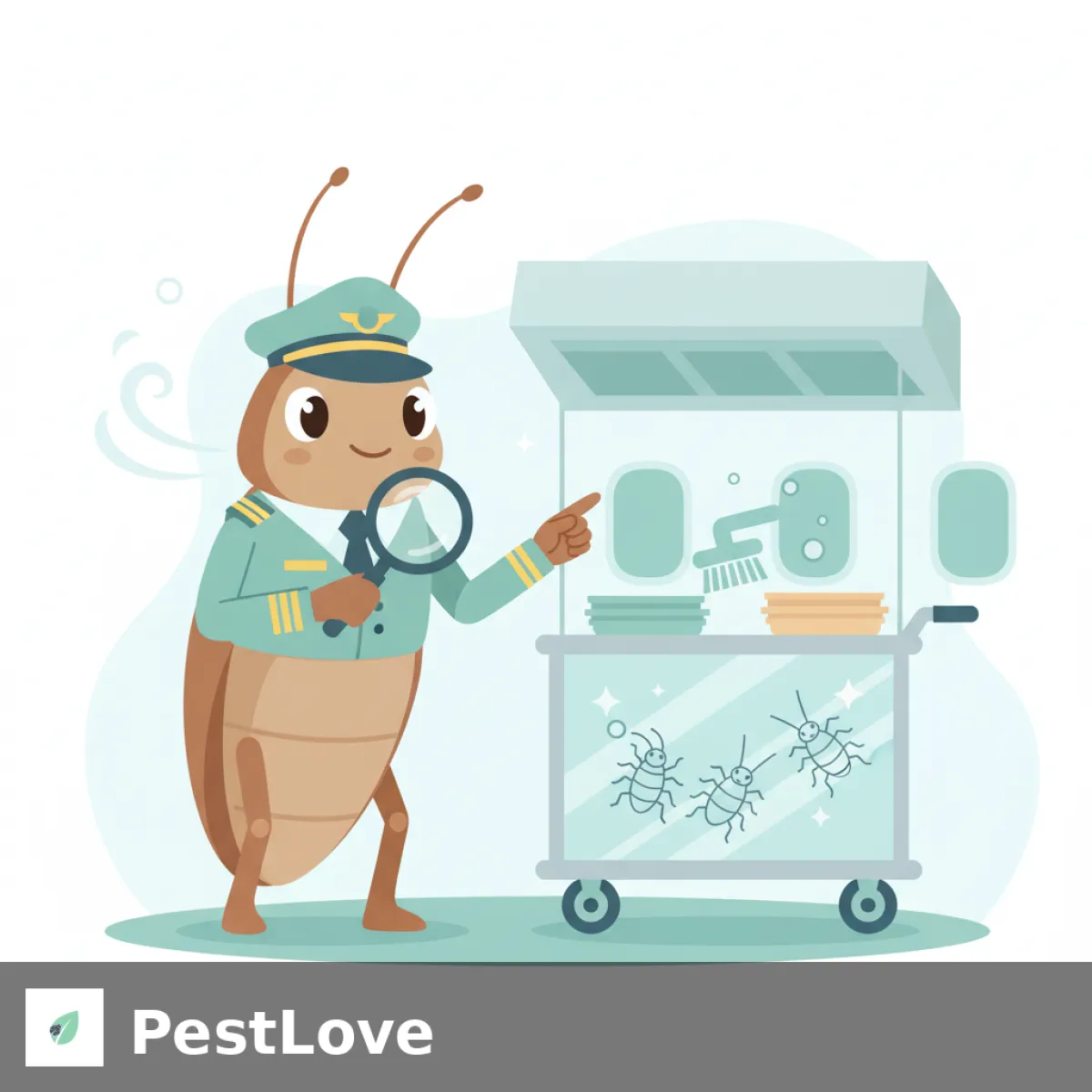
- The Primary Vector: In-flight catering carts (trolleys) are the most common "Trojan Horse" for introducing Blattella germanica to aircraft.
- Avionics Risk: German cockroaches are attracted to the warmth of electronic components, posing a risk of short-circuiting critical navigation and communication systems.
- Zero Tolerance: Unlike terrestrial environments, aircraft require a zero-tolerance threshold due to the impossibility of passenger egress and the high risk of cross-border contamination.
- Restricted Treatments: Aerosols and extensive liquid sprays are generally prohibited on aircraft due to air quality circulation and sensitive sensors; gel baits and vacuums are the standard.
For commercial airlines, the presence of a German cockroach (Blattella germanica) is more than a sanitation failure; it is a brand crisis and a safety hazard. In the age of social media, a single sighting can result in global reputational damage. More critically, cockroaches in the cockpit or avionics bay pose a direct threat to flight safety by potentially short-circuiting electrical components. This guide outlines professional Integrated Pest Management (IPM) protocols for the aviation industry, focusing on the critical interface between ground catering facilities and the aircraft cabin.
The Supply Chain Vector: Catering Facilities as the First Line of Defense
German cockroaches rarely fly onto an aircraft; they are carried on. The complex logistics of in-flight catering provides the ideal mechanism for infestation. Catering facilities—massive, 24-hour food production hubs—are naturally prone to pest pressures. The standard meal trolley (cart) acts as the primary vector.
To prevent aircraft infestation, control measures must be rigorous at the catering facility (the "landside").
1. Cart Washing Protocols
Industrial cart washing tunnels must reach temperatures sufficient to kill all life stages of cockroaches, including oothecae (egg cases). However, re-infestation often occurs after washing but before loading. Carts should never be stored in open loading dock areas where they are accessible to pests. Dedicated, positive-pressure holding rooms are recommended for clean carts awaiting food loading.
2. Incoming Goods Inspection
Catering facilities receive massive shipments of corrugated cardboard, a preferred harborage material for roaches. Decanting procedures—removing products from external shipping cardboard before they enter the clean production zone—are essential. For detailed protocols on managing high-volume food production environments, consult our guide on German Cockroach Eradication in 24-Hour Food Production Facilities.
Aircraft Cabin: High-Altitude Harborage
Once onboard, Blattella germanica finds an environment surprisingly conducive to survival. Aircraft galleys provide moisture (coffee makers, drains) and food residue, while the avionics and In-Flight Entertainment (IFE) systems provide necessary warmth.
The Galley Danger Zone
Galleys are constructed with numerous voids and panels. Coffee makers and ovens are particularly attractive. Crumbs and organic matter that fall into the crevices of the galley floor tracks provide a steady food source. Regular deep cleaning of these tracks is not just a hygiene standard but a pest exclusion necessity.
Avionics and Cockpit Risks
Cockroaches are thigmotactic (preferring tight spaces) and thermophilic (seeking heat). The avionics bay and cockpit instrumentation panels generate consistent heat, drawing pests away from the colder cabin areas. Infestations here are critical safety issues. Technicians finding fecal spotting (frass) on electrical components during maintenance checks must trigger an immediate pest control response.
Approved Treatment Strategies for Aviation
Pest control on aircraft is strictly regulated by the FAA, EASA, and other civil aviation authorities. Standard residential or commercial treatments are often prohibited.
- No Aerosols: The use of aerosol insecticides is generally banned due to flammability risks, the potential to damage smoke detectors, and the recirculation of air within the pressurized cabin.
- Gel Baits: The industry standard for active infestations involves the precise application of non-volatile gel baits. These must be applied in cracks and crevices, away from food preparation surfaces. Because resistance is a growing issue, rotation of active ingredients is vital. See our analysis on Managing German Cockroach Resistance for chemical rotation strategies.
- HEPA Vacuuming: Physical removal is highly effective. Using industrial vacuums with HEPA filters to remove live roaches, egg cases, and allergens is a safe, non-chemical method often used during overnight maintenance layovers.
Monitoring and Early Detection
Proactive monitoring is superior to reactive treatment. Airlines should implement a discrete trapping program:
- Placement: Sticky monitors (pheromone traps) should be placed in the back of galley carts, under galley sink units, and inside cockpit side panels (where permitted by maintenance manuals).
- Data Logging: Every capture must be logged to identify trends. Is a specific catering station the source? Is a particular aircraft tail number chronically infested?
When to Call a Professional
If cockroach activity is sighted by passengers or crew, the threshold for professional intervention has already been crossed. Immediate coordination between the airline's engineering department and a certified pest management professional is required. In severe cases involving deep harborages in airframes, thermal remediation or specialized fumigation (often involving methyl bromide or sulfuryl fluoride under strict quarantine conditions) may be necessary, though these are complex operations requiring aircraft grounding.
For facility managers dealing with related structural pest issues in ground support buildings, understanding eradication in HVAC systems is also crucial to prevent re-introduction.
