
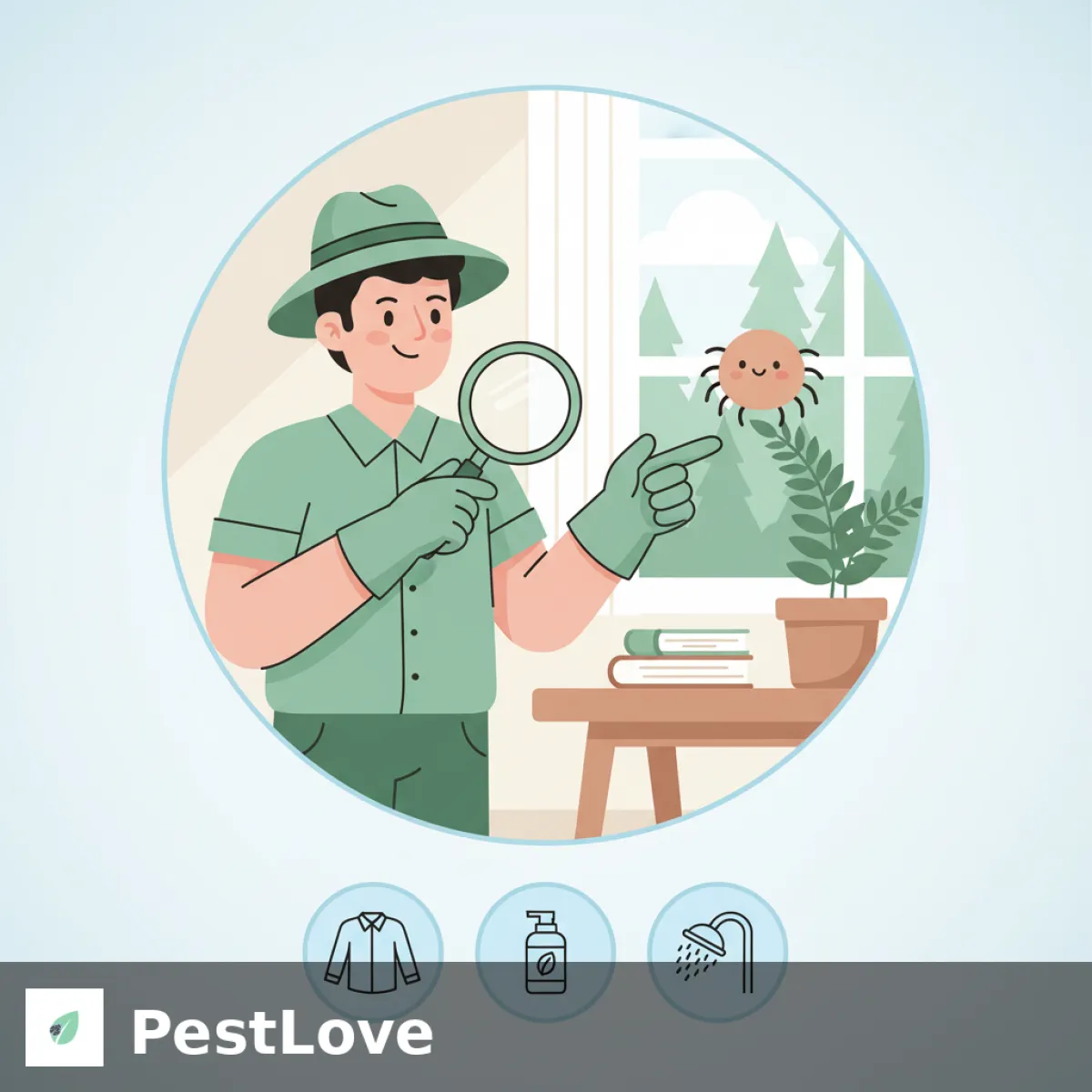
The Occupational Risk Profile
For forestry workers, arborists, and landscaping crews, exposure to the blacklegged tick (Ixodes scapularis)—the primary vector for Lyme disease—is not merely a seasonal nuisance but a significant occupational hazard. Studies indicate that outdoor workers in endemic regions face a dramatically higher incidence of tick-borne pathogens compared to the general population. Effective risk mitigation requires a shift from reactive measures to proactive, systemic Integrated Pest Management (IPM) protocols.
Lyme disease, caused by the spirochete bacterium Borrelia burgdorferi, can lead to debilitating long-term health issues if untreated, including arthritis, neurological deficits, and cardiac anomalies. For business owners and crew managers, ensuring workforce safety involves implementing rigorous Personal Protective Equipment (PPE) standards and education regarding tick habitats.
Identifying the Vector and Habitat
Understanding the enemy is the first step in defense. The blacklegged tick (often called the deer tick) operates differently from the larger dog tick. They are notoriously small; nymphs are roughly the size of a poppy seed, making them difficult to detect on skin or clothing.
Questing Behavior
Ticks do not jump or fly. They engage in "questing," a behavior where they hold onto vegetation with their third and fourth pairs of legs while extending their first pair to grasp a passing host. This behavior typically occurs in ecotones—the transition zones between maintained lawns and woodlands, brushy areas, and high grass. Forestry crews moving through underbrush and landscapers maintaining property perimeters are at peak risk.
For crews operating in Europe or specific viral hotspots, understanding the distinction between Lyme vectors and those carrying other pathogens is crucial. See our guide on Tick-Borne Encephalitis (TBE) Prevention for Forestry Workers for region-specific viral protocols.
Personal Protective Equipment (PPE) Standards
Clothing is the primary mechanical barrier against tick attachment. Professional protocols should mandate the following:
- Light-Colored Clothing: Facilitates the visual detection of dark ticks crawling on fabric before they reach the skin.
- Physical Barriers: Long pants tucked into socks and shirts tucked into pants create a seal that forces ticks to crawl upward on the exterior of the clothing rather than gaining access to the skin.
- Permethrin-Treated Uniforms: Permethrin is an acaricide and repellent that binds to fabric fibers. It kills ticks on contact. Professional workwear can be pre-treated (lasting up to 70 washes) or treated by employees (lasting 5-6 washes). Note: Permethrin should never be applied directly to the skin.
Chemical Defense and Repellents
In addition to treated clothing, exposed skin should be protected using EPA-registered repellents. The Centers for Disease Control and Prevention (CDC) recommends products containing:
- DEET (20-30%): The gold standard for long-duration protection.
- Picaridin: An effective alternative that is less oily and less damaging to synthetic materials (plastics/gear) than DEET.
- IR3535: A biopesticide repellent appropriate for frequent use.
For managers overseeing broad outdoor venues, consult our guide on Tick Control Protocols for Outdoor Hospitality and Event Venues for large-scale area management strategies.
Daily Inspection and Removal Protocols
The transmission of Borrelia burgdorferi typically requires the tick to be attached for 36 to 48 hours. Therefore, daily removal protocols are nearly 100% effective in preventing Lyme disease if executed thoroughly.
The Post-Shift Check
Crew members should perform a "tick check" immediately after finishing work. Ticks prefer warm, moist areas of the body. Key inspection zones include:
- Under the arms
- In and around the ears
- Inside the belly button
- Back of the knees
- In and around all hair
- Between the legs
- Around the waist
Proper Removal Technique
If a tick is found attached, do not use folk remedies like nail polish, petroleum jelly, or heat. These methods can cause the tick to regurgitate pathogen-laden saliva into the bloodstream.
- Use fine-tipped tweezers to grasp the tick as close to the skin's surface as possible.
- Pull upward with steady, even pressure. Do not twist or jerk the tick; this can cause the mouth-parts to break off and remain in the skin.
- After removing the tick, thoroughly clean the bite area and your hands with rubbing alcohol or soap and water.
- Dispose of a live tick by submersing it in alcohol, placing it in a sealed bag/container, wrapping it tightly in tape, or flushing it down the toilet.
Vegetation Management for Landscapers
Landscaping crews have the unique opportunity to reduce tick populations not just for themselves, but for their clients. Creating "Tick-Safe Zones" involves modifying the landscape to reduce humidity and host habitats.
- Create Buffer Zones: Maintain a 3-foot wide barrier of wood chips or gravel between lawns and wooded areas. This restricts tick migration into recreational zones.
- Leaf Litter Removal: Ticks require high humidity to survive. Removing leaf litter exposes the soil to sunlight, lowering humidity and killing tick larvae.
- Mowing Height: Keep grass mowed to under 3 inches.
For details on implementing these structural changes in commercial settings, refer to Implementing Tick-Safe Zones for Commercial Kennels.
Key Takeaways
- Treat Clothing: Permethrin-treated workwear is the most effective passive defense against ticks.
- Targeted Checks: Transmission usually takes 36+ hours; daily checks are a critical failsafe.
- Habitat Awareness: Focus safety briefings on ecotones (edge habitats) where questing activity is highest.
- Proper Removal: Use mechanical removal (tweezers) only; avoid chemical irritants that induce regurgitation.
