
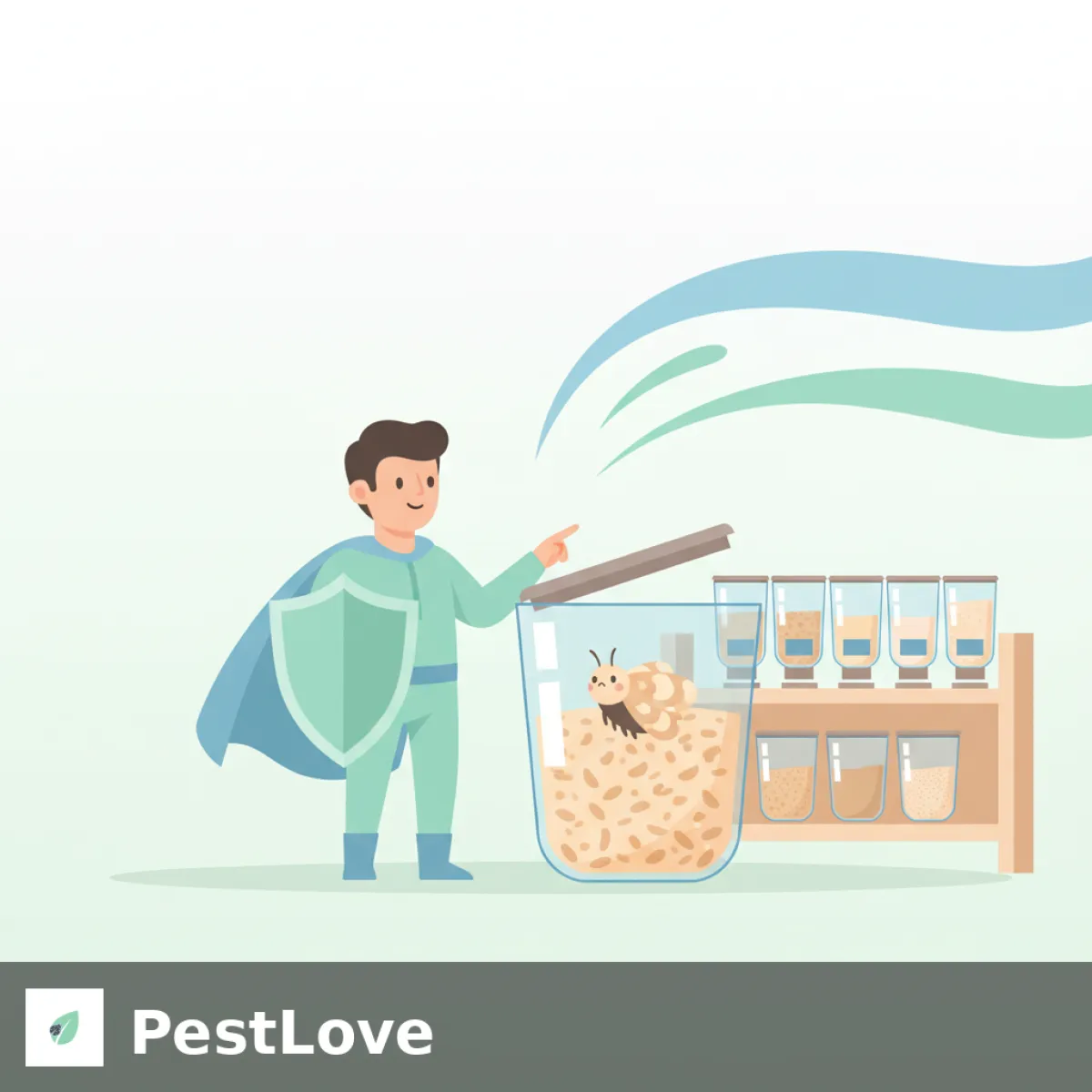
The Unique Vulnerability of Bulk Aisles
Zero-waste grocery stores and bulk food aisles present a unique paradox in pest management: the very environmental ethos that minimizes packaging also maximizes the exposure of food products to stored product pests. Among these, the Indian Meal Moth (Plodia interpunctella) is the most pervasive threat to bulk grains, nuts, and dried fruits. Unlike sealed conventional retail environments, bulk bins create a continuous food source where cross-contamination can occur rapidly between products. For store owners, an infestation does not merely represent inventory loss; it undermines the hygiene credibility essential to the zero-waste business model.
Integrated Pest Management (IPM) in this context moves away from reactionary pesticide application—often incompatible with organic certification and open food displays—toward rigorous prevention, exclusion, and sanitation. Success relies on understanding the moth's biology and eliminating the specific environmental conditions that allow colonies to thrive in dispensing equipment.
Identification: Spotting Plodia interpunctella in Bulk Inventory
Early detection is critical in open-bin environments. Store staff should be trained to identify signs of activity before adult moths are visible flying near the ceiling. The Indian Meal Moth goes through four life stages: egg, larva, pupa, and adult. It is the larval stage that causes the physical damage to inventory.
Visual Indicators in Bins
- Webbing: The most distinctive sign of an infestation is the presence of silk-like webbing on the surface of grains or inside the dispensing chute. Larvae spin this silk as they feed and move.
- Clumping: Products such as flour, rice, or granola that appear to clump together unnaturally often contain webbing and larvae holding the particles together.
- Frass: Granular, pellet-like excrement mixed with the food product is a clear indicator of active feeding.
- Larvae: Cream-colored worms with brown heads, typically about 12mm long, may be seen crawling up the sides of bins or in the catch-trays below gravity feeders.
For a broader understanding of detection in retail settings, refer to our guide on Indian Meal Moth Prevention in Bulk Food Retail.
Structural and Operational Defense Strategies
Preventing pantry moths in a zero-waste store requires a defense-in-depth approach, treating the bulk aisle as a high-security zone for biological contaminants.
The FIFO Protocol (First-In, First-Out)
Stock rotation is the primary defense against the Indian Meal Moth life cycle, which can complete in as little as 27 days under optimal conditions. Old stock must never be topped off with new stock. Bins should be completely emptied, vacuumed, and sanitized before refilling. 'Topping off' creates a strata of old product at the bottom of the bin where larvae can mature undisturbed.
Bin Design and Maintenance
- Gravity vs. Scoop Bins: Gravity-feed bins are biologically safer than scoop bins because they reduce direct human contact and limit the entry points for pests. However, the dispensing mechanisms can accumulate dust and fines, creating micro-habitats for eggs.
- Seals and Gaskets: Inspect rubber gaskets on bin lids weekly. Moths can lay eggs in crevices as small as a fraction of a millimeter. Worn seals provide entry for adults to deposit eggs directly onto the product.
- Catch-Tray Sanitation: The spill trays below bulk bins are often overlooked. Accumulated debris in these trays provides a breeding ground for populations that eventually migrate up into the primary stock.
Warehousing practices backing up the retail floor are equally critical. See our protocols for Organic Food Warehouses to ensure back-of-house storage does not contaminate the sales floor.
Managing the 'Bring Your Own Container' Risk
A distinctive vector for zero-waste stores is the customer's reusable container. Containers brought from home may harbor eggs or larvae from a customer’s own pantry infestation, introducing pests into the store’s sterile environment. While stores cannot police every jar, implementing a visual inspection policy at the taring station is prudent. Staff should look for old webbing or residue in containers before weighing.
Furthermore, minimize the time bin lids are open. If scoop bins are used, tethered lids that close automatically are preferable to fully removable lids. Similar exclusion principles apply to preventing grain beetle infestations in bulk storage.
Non-Toxic Remediation and Treatment
If activity is detected, immediate action is required to prevent the spread to adjacent bins.
- Isolation and Disposal: The infested bin should be removed immediately. Do not attempt to sift out larvae. The entire contents must be discarded in a sealed exterior dumpster to prevent re-entry.
- Freezing: For high-value organic stock that is suspected of exposure but shows no visual signs, freezing is an effective sterilization method. Storing product at -18°C (0°F) for at least four days will kill all life stages of the Indian Meal Moth.
- Pheromone Monitoring: Install pheromone traps in the bulk aisle and storage room. These traps use the female moth's sex pheromone to attract males. They serve as an early warning system rather than a control method, helping managers identify the epicenter of an outbreak.
- Deep Cleaning: Vacuum cracks and crevices around shelving units. Avoid wet cleaning inside bins unless they can be completely dried immediately, as moisture encourages mold and mite growth.
When to Call a Professional
While preventative sanitation can be managed in-house, a persistent population indicates a breeding site that has likely moved into the building's infrastructure—behind baseboards, in ceiling voids, or within shelving support columns. If pheromone traps consistently catch adults despite rigorous cleaning, or if larvae are found in multiple unconnected bins, professional structural fumigation or heat treatment may be necessary.
For facilities managing other stored product risks, such as in chocolate manufacturing, cross-referencing strategies from Almond Moth Prevention can provide additional insights into managing lepidopteran pests in sensitive food environments.
