Ticks

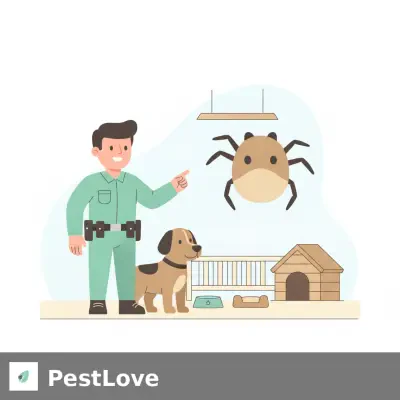
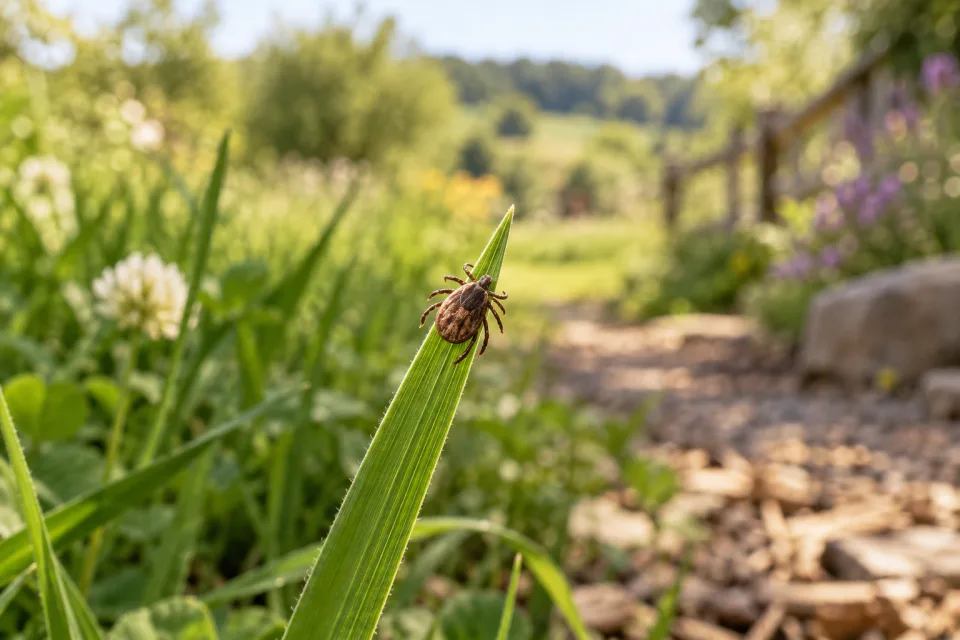
Ticks (order Ixodida) are specialized arachnid ectoparasites that rely entirely on the blood of vertebrate hosts for survival. Unlike many other pests, ticks are not insects; they are more closely related to spiders and mites. Their complex life cycle, consisting of larval, nymphal, and adult stages, often requires multiple hosts, making them significant vectors for a wide range of pathogens globally.

From a public health perspective, ticks are among the most dangerous pests encountered in suburban and rural environments. They are notorious for transmitting debilitating diseases such as Lyme disease, Rocky Mountain spotted fever, and anaplasmosis. Their ability to remain attached to a host for several days while feeding increases the risk of pathogen transmission, necessitating a deep understanding of their biology and seasonal activity patterns for effective management.

Professional knowledge is critical when dealing with tick infestations, as their microscopic size in the nymphal stage makes them exceptionally difficult to detect without expert training. Effective control involves integrated pest management (IPM) strategies that address both the ticks themselves and their primary hosts, such as rodents and deer. At PestLove, we provide the authoritative insights needed to safeguard your family and pets from these resilient parasites.

AI-Researched, Editorially Reviewed

Guides & Information

39 guides
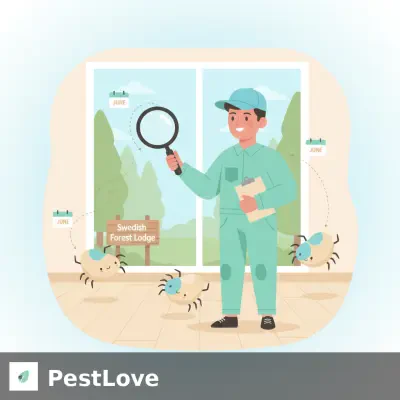
Castor Bean Tick June Audits for Swedish Forest Lodges Ticks

Castor Bean Tick June Audits for Swedish Forest Lodges

June marks peak nymph activity for Ixodes ricinus across Sweden's forest zones, creating elevated disease risk for lodge guests and staff. This guide outlines a structured audit framework and IPM controls for forest lodge operators.

PestLove Editorial Team IPM
May 23, 2026
Lone Star Tick June Protocols: Virginia Lodges Ticks

Lone Star Tick June Protocols: Virginia Lodges

Virginia state park lodges face peak Lone Star tick (Amblyomma americanum) pressure in June. This guide outlines IPM protocols for trail safety, guest education, and host habitat reduction.

PestLove Editorial Team IPM
May 17, 2026
Deer Tick June Trail Protocols for Ontario Lodges Ticks

Deer Tick June Trail Protocols for Ontario Lodges

A scientific field guide to managing Ixodes scapularis risk on Ontario wilderness lodge trails during June peak activity. Covers identification, behavior, IPM prevention, and treatment for guest safety.

PestLove Editorial Team IPM
May 15, 2026
Brown Dog Tick June IPM for SA Safari Lodges Ticks

Brown Dog Tick June IPM for SA Safari Lodges

A professional IPM guide for managing Rhipicephalus sanguineus in South African safari lodges during June. Covers identification, behavior, prevention, and treatment protocols.

PestLove Editorial Team IPM
May 13, 2026
Hyalomma Tick May Surveillance for Turkish Resorts Ticks

Hyalomma Tick May Surveillance for Turkish Resorts

Hyalomma marginatum activity peaks across Turkey's Mediterranean coast in May, posing CCHF risk to resort guests and staff. This guide details identification, behavior, prevention, and IPM-based treatment for hospitality properties.

PestLove Editorial Team IPM
May 12, 2026
Castor Bean Tick June IPM: German Forest Hotels Ticks

Castor Bean Tick June IPM: German Forest Hotels

June marks the annual activity peak for Ixodes ricinus — the castor bean tick — across Germany's forested hotel corridors. This guide provides an Integrated Pest Management framework to protect guests, staff, and property reputation during the highest-risk window of the tick season.

PestLove Editorial Team IPM
May 11, 2026
Black-Legged Tick May Peak IPM for Canadian Resorts Ticks

Black-Legged Tick May Peak IPM for Canadian Resorts

May marks the peak activity period for nymphal black-legged ticks across Canadian resort properties. This guide outlines an IPM framework for operators to reduce Lyme disease risk to guests and staff.

PestLove Editorial Team IPM
May 06, 2026
Lone Star Tick Surge Plans for SE US Resorts Ticks

Lone Star Tick Surge Plans for SE US Resorts

A comprehensive IPM guide for Southeast US golf and resort properties facing rising Amblyomma americanum populations. Covers identification, behavior, prevention, and treatment thresholds.

PestLove Editorial Team IPM
May 04, 2026
Lone Star Tick Prevention for US Golf Courses Ticks

Lone Star Tick Prevention for US Golf Courses

A professional IPM guide to managing Amblyomma americanum populations on golf courses and resort greens. Covers identification, habitat modification, acaricide rotation, and guest safety protocols.

PestLove Editorial Team IPM
May 04, 2026
Spring Tick Prevention for Russian Outdoor Dining Ticks

Spring Tick Prevention for Russian Outdoor Dining

Russian outdoor dining and hospitality venues face elevated tick-borne disease risks each spring. This guide covers identification, habitat management, and IPM protocols to protect guests and staff.

PestLove Editorial Team IPM
Apr 29, 2026
Spring Tick Safety Plans for US Campgrounds Ticks

Spring Tick Safety Plans for US Campgrounds

Campground and outdoor resort operators face elevated tick-borne disease liability each spring. This guide outlines science-based IPM protocols to protect guests and staff from blacklegged, lone star, and American dog ticks.

PestLove Editorial Team IPM
Apr 28, 2026
Tick Control Plans for Outdoor Hospitality in 2026 Ticks

Tick Control Plans for Outdoor Hospitality in 2026

The 2026 tick season is arriving early across the US and Canada, with experts projecting a 15–20% rise in blacklegged tick populations. This guide outlines IPM-based tick control plans for campgrounds, glamping sites, and outdoor event venues.

PestLove Editorial Team IPM
Apr 26, 2026