Ticks

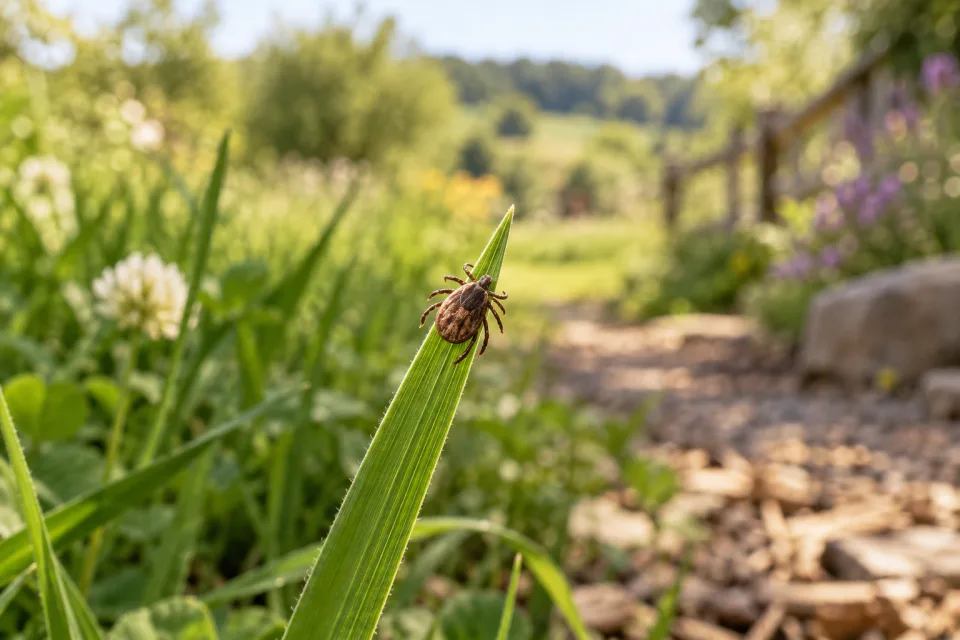
Ticks (order Ixodida) are specialized arachnid ectoparasites that rely entirely on the blood of vertebrate hosts for survival. Unlike many other pests, ticks are not insects; they are more closely related to spiders and mites. Their complex life cycle, consisting of larval, nymphal, and adult stages, often requires multiple hosts, making them significant vectors for a wide range of pathogens globally.

From a public health perspective, ticks are among the most dangerous pests encountered in suburban and rural environments. They are notorious for transmitting debilitating diseases such as Lyme disease, Rocky Mountain spotted fever, and anaplasmosis. Their ability to remain attached to a host for several days while feeding increases the risk of pathogen transmission, necessitating a deep understanding of their biology and seasonal activity patterns for effective management.

Professional knowledge is critical when dealing with tick infestations, as their microscopic size in the nymphal stage makes them exceptionally difficult to detect without expert training. Effective control involves integrated pest management (IPM) strategies that address both the ticks themselves and their primary hosts, such as rodents and deer. At PestLove, we provide the authoritative insights needed to safeguard your family and pets from these resilient parasites.

AI-Researched, Editorially Reviewed

Guides & Information

39 guides
Tick-Borne Disease Prevention for EU Outdoor Venues Ticks

Tick-Borne Disease Prevention for EU Outdoor Venues

European outdoor hospitality venues face significant tick-borne disease liability during peak season. This guide covers identification, habitat management, guest protection protocols, and when to engage professional pest control services.

PestLove Editorial Team IPM
Apr 24, 2026
Tick Control for South African Game Lodges in Autumn Ticks

Tick Control for South African Game Lodges in Autumn

Autumn marks a critical tick management window for South African game lodges, as cooling temperatures shift tick behavior and host-seeking patterns. This guide covers identification of key species, IPM-based prevention, and treatment protocols tailored to the hospitality-wildlife interface.

PestLove Editorial Team IPM
Apr 21, 2026
Tick Risk for Outdoor Venues: A Spring Guide Ticks

Tick Risk for Outdoor Venues: A Spring Guide

Outdoor hospitality and event venues face elevated tick-borne disease liability each spring. This guide covers identification, habitat management, and IPM-based control protocols for venue operators.

PestLove Editorial Team IPM
Apr 18, 2026
Tick Safety for EU Landscaping & Forestry Crews Ticks

Tick Safety for EU Landscaping & Forestry Crews

Landscaping, forestry, and utility workers in Germany, France, and Belgium face elevated tick-borne disease risks during peak season. This guide details prevention protocols, employer obligations, and post-bite response procedures.

PestLove Editorial Team IPM
Apr 13, 2026
Tick Safety for EU Landscaping & Forestry Crews Ticks

Tick Safety for EU Landscaping & Forestry Crews

Landscaping, forestry, and utility workers in Germany, France, and Belgium face elevated tick-borne disease risks during peak season. This guide covers employer obligations, bite prevention protocols, and post-exposure response.

PestLove Editorial Team IPM
Apr 13, 2026
Alpine Tick Risk: TBE & Lyme for Resort Operators Ticks

Alpine Tick Risk: TBE & Lyme for Resort Operators

Spring marks the opening of peak tick season across German, Swiss, and Austrian alpine and forested terrain. Mountain resort operators, forest retreat businesses, and adventure tourism companies face specific TBE and Lyme disease risk management obligations that directly affect guest safety, legal duty of care, and brand reputation.

PestLove Editorial Team IPM
Apr 03, 2026