
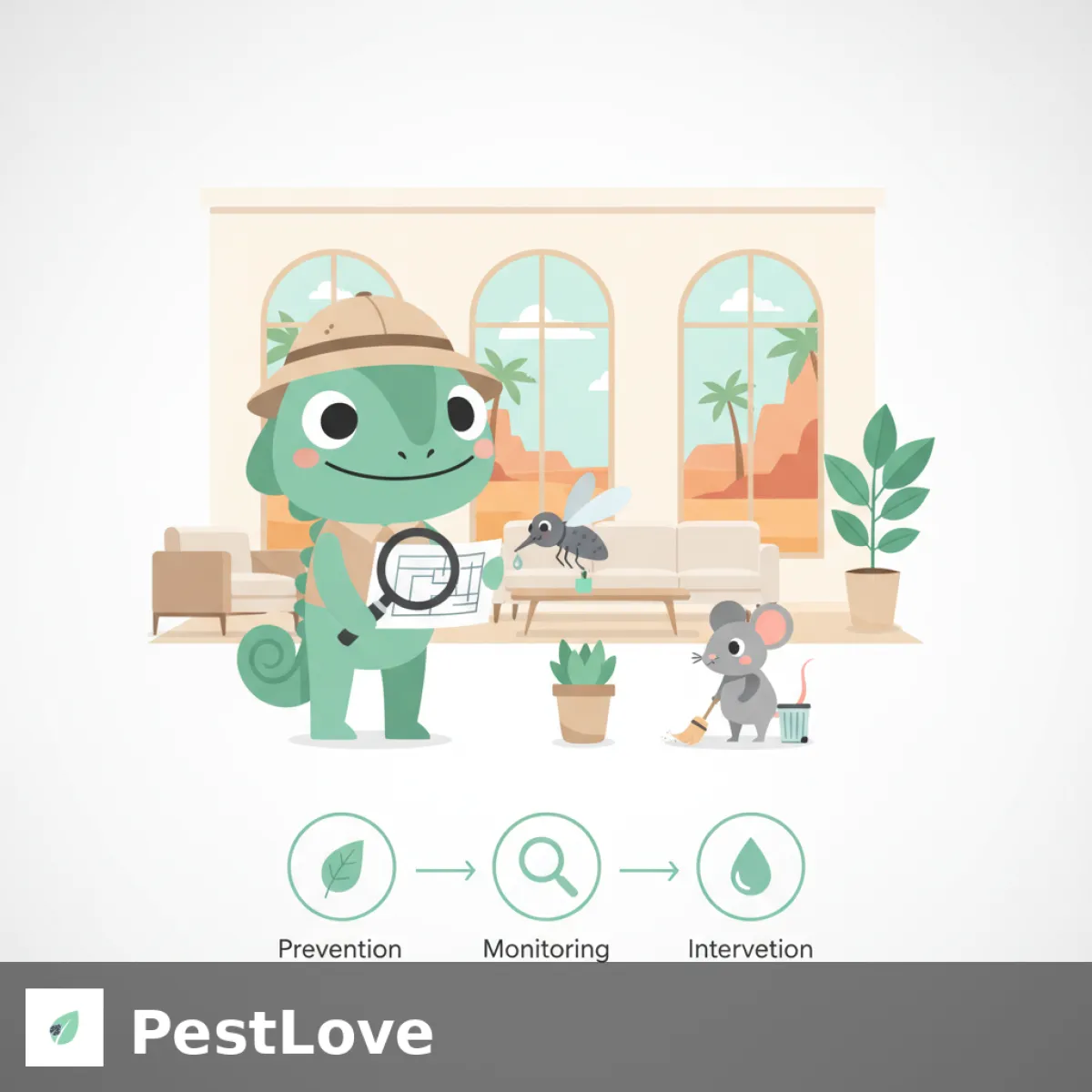
The Zero-Tolerance Standard in High-Stakes Hospitality
In the world of luxury hospitality, the margin for error is non-existent. A single American Cockroach scurrying across a marble lobby or a Bark Scorpion found in a guest's slipper can trigger a cascade of negative reviews, refund demands, and brand damage. In arid climates—regions like Arizona, Nevada, Dubai, or parts of Australia—the challenge is compounded by biology: your hotel is literally an oasis.
As a pest management professional who has audited luxury resorts across desert regions, I have seen firsthand that pests in these environments are not just looking for food; they are desperate for moisture and thermal refuge. The 110°F (43°C) heat outside drives them toward the cool, irrigated, and air-conditioned microclimate you have created for your guests.
This guide outlines a commercial-grade Integrated Pest Management (IPM) strategy specifically designed for high-end properties in arid zones, focusing on exclusion, discrete monitoring, and habitat modification.
1. The Oasis Effect: Understanding Pest Pressure in Dry Climates
In arid environments, water is the primary attractant. While hotels in temperate zones fight food-based infestations, desert hotels fight moisture-based invasions. Pests like the American Cockroach (Periplaneta americana) and various rodent species are fighting desiccation.
Your lush landscaping, swimming pools, and HVAC condensation lines create a biological magnet. Effective IPM here starts with 'Water Mapping'—identifying and controlling every source of accessible moisture.
2. High-Priority Threats in Arid Zones
Scorpions: The Silent Invaders
Scorpions, particularly the Bark Scorpion (Centruroides sculpturatus) in North America or the Deathstalker (Leiurus quinquestriatus) in the Middle East, are a severe liability risk. They are thigmotactic, meaning they seek tight pressure against their bodies—often mistaking shoes, luggage, or bed sheets for rock crevices.
- Detection: Housekeeping staff should be equipped with UV (black light) flashlights. Scorpions fluoresce under UV light, making them easy to spot during night audits or room inspections.
- Prevention: Seal weeping screeds on building exteriors with wire mesh. These ventilation gaps are the #1 entry point I find during audits.
Cockroaches: The Sewer Dwellers
In dry heat, cockroaches inhabit the dampest places available: sewer lines and grease traps. They often emerge from drains at night. Maintaining strict sanitation in commercial kitchens is non-negotiable.
For detailed protocols on kitchen sanitation, refer to our guide on German Cockroach Elimination in Commercial Kitchens.
Rodents: The Roof Runners
Roof Rats (Rattus rattus) are notorious for nesting in the crowns of unmaintained palm trees and jumping onto hotel roofs/balconies. They chew through irrigation lines to access water, causing costly damage.
3. The 4-Pillar IPM Strategy for Luxury Hotels
IPM is not about spraying chemicals indiscriminately; it is about sustainable, long-term prevention that remains invisible to the guest.
Phase 1: Exclusion (The Fortress Approach)
Keeping cool air in effectively keeps pests out. If you can see light under a door, a scorpion can enter.
- Door Sweeps: Install heavy-duty brush sweeps on all exterior doors. Rubber seals often crack in desert heat; brushes last longer and block insects better.
- Air Curtains: Ensure air curtains at loading docks and lobby entrances are calibrated correctly to blow outward, creating an invisible wall against flying insects.
Phase 2: Landscape Modification
Your groundskeepers are your first line of defense. In arid climates, dense ground cover next to the foundation provides the perfect cool, damp harborage for pests to wait until nightfall to enter the building.
- The 2-Foot Rule: Maintain a 2-foot gravel barrier between the foundation and any mulch or plants. This 'dry zone' discourages insects from crossing.
- Palm Tree Maintenance: Keep palm skirts trimmed to prevent rodent nesting.
Phase 3: Discrete Monitoring
In a luxury setting, guests should never see a trap. Use discrete, tamper-resistant pheromone monitors placed behind appliances, in drop ceilings, and in mechanical rooms. This allows you to track pest activity trends without alarming guests.
For specific advice on keeping pests out of guest rooms, see our article on Professional Bed Bug Prevention for Hospitality.
Phase 4: Targeted Chemical Application
When chemical control is necessary, we use non-repellent liquid residuals around the perimeter. Repellents can sometimes trap pests inside the walls. Non-repellents allow pests to cross the treated barrier and return to the nest, eliminating the colony at the source. This is critical for social insects like ants.
4. Staff Training: The Eyes of the Operation
Your housekeeping and engineering staff see more of the hotel than any pest control technician ever will. Implement a 'Pest Sighting Log' that is digital and immediate.
Sanitation Tip: Ensure drains are cleaned regularly to prevent organic buildup. Accumulated slime is a breeding ground for Drain Flies, which can plague guest bathrooms. Learn more in our guide on Drain Fly Eradication.
Key Takeaways for General Managers
- Water is the Enemy: Fix leaks immediately. In a desert, a dripping tap is a beacon for pests.
- Seal the Envelope: Invest in high-quality weather stripping and door sweeps.
- Landscaping Matters: Keep vegetation trimmed back from the building perimeter.
- Partner with Pros: Commercial pest control in arid climates requires specialized knowledge of local species biology.
By shifting from reactive spraying to proactive IPM, you protect your guests, your reputation, and your bottom line.
