
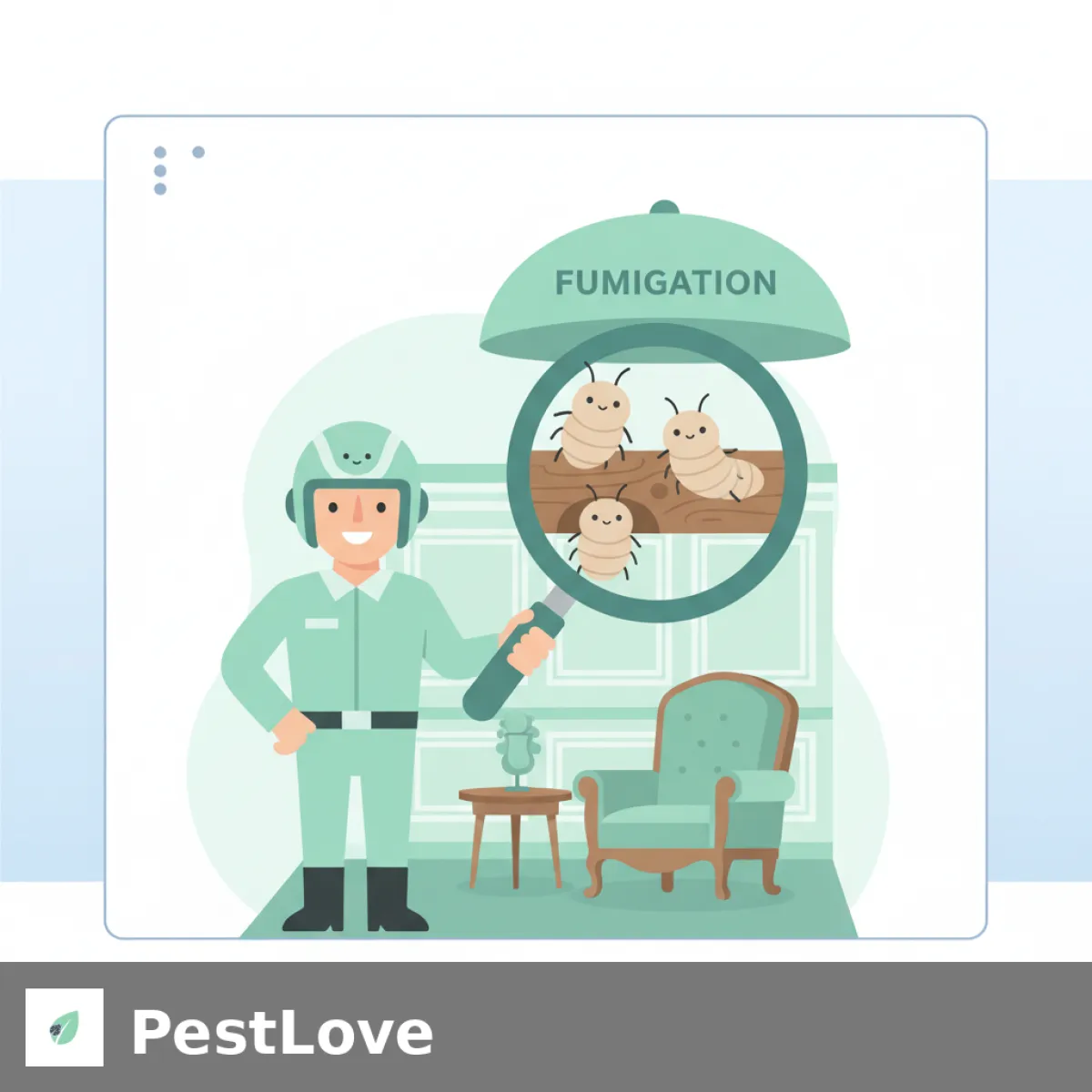
Balancing Eradication with Preservation
Managing structural pests in historic hotels and heritage sites presents a unique dual challenge: the immediate necessity of eradicating wood-destroying organisms and the absolute mandate to preserve the architectural integrity of the structure. Unlike modern construction, where drywall and treated lumber are replaceable, historic properties often feature irreplaceable heart pine beams, hand-carved millwork, and antique structural components that are highly susceptible to drywood termites (Kalotermitidae).
For drywood termite infestations that have extended beyond localized areas into the structural void, whole-structure fumigation remains the scientific standard for total eradication. However, the process of tenting a 19th-century Victorian hotel or a registered heritage site requires protocols far more rigorous than residential pest control. This guide outlines the professional standards for preparing, executing, and recovering from fumigation in sensitive historic environments, adhering to Integrated Pest Management (IPM) frameworks and preservation guidelines.
The Drywood Termite Threat to Heritage Structures
While subterranean termites attack from the soil, drywood termites colonize the wood itself, extracting moisture from the timber. This biology makes them particularly devastating to historic upper-story flooring, attics, and eaves where soil barriers are ineffective. For a deeper understanding of the biological differences, consult our guide on identifying termite signs and behaviors.
In heritage sites, drywood termites often go undetected for years, hollowing out structural supports from the inside until a swarm event reveals their presence. Early detection of swarms is critical, but once a colony is established within the framework of a historic building, spot treatments are frequently insufficient due to the complex, inaccessible void spaces common in older architecture.
Structural Assessment and Risk Analysis
Before a fumigation contract is signed, a comprehensive risk assessment must be conducted by both the pest control licensee and a structural engineer familiar with historic preservation. Standard tenting procedures can cause catastrophic damage to fragile architectural elements if not modified.
Roofing and Exterior Elements
The primary risk during fumigation is physical damage caused by the heavy tarpaulins (tents) and the personnel securing them. Historic hotels often feature:
- Clay or Slate Tiles: These are brittle and can crack under the weight of a technician. Protocols must require walk-boards, foam padding, or a "tape and seal" method (sealing the building from the outside without full tenting) if the roof cannot support weight.
- Decorative Eaves and Corbels: Intricate woodwork must be padded to prevent crushing by the tent clamps.
- Lightning Rods and Weather Vanes: These metal protrusions can tear fumigation tents or be bent by the tension. They must be removed or heavily padded.
Chemical Interactions and Artifact Safety
The industry standard for drywood termite fumigation is Sulfuryl Fluoride. Unlike earlier fumigants like Methyl Bromide, Sulfuryl Fluoride is an inorganic gas that does not bind to fabrics, historical textiles, or paintings, and it leaves no surface residue. This makes it generally safe for museum-quality interiors. However, the following precautions are mandatory:
- Living Collections: All plants and animals must be removed.
- Chemical Reactions: While the gas is inert to most materials, high concentrations can react with certain older photography chemicals or unsealed heavy metals. Curators should consult with a conservator regarding specific rare materials.
- Food and Medications: In active hotels, all consumables not in factory-sealed glass or metal containers must be double-bagged in Nylofume bags or removed from the premises.
The Tenting Protocol: Preparation and Security
The preparation phase for a historic site is significantly longer than for a residential property. Security is a paramount concern; a tented building is a secure visual barrier that hides illicit activity, making unoccupied heritage sites targets for theft or vandalism.
Security Measures
Professional IPM standards for high-value properties dictate the following security layers during the 24-72 hour exposure period:
- Perimeter Fencing: Temporary fencing to prevent public access to the hazardous zone.
- 24-Hour Security Guards: A physical presence is often required by insurance underwriters for historic hotels during the vacancy.
- Warning Agents: Chloropicrin (tear gas) is introduced into the structure before the fumigant to deter unauthorized entry, acting as a potent biological warning system.
Gas Monitoring and Dosage
Historic structures are rarely airtight. They breathe through stone foundations, lath-and-plaster walls, and sash windows. This "leakiness" requires precise calculation of the fumigant dosage (Half-Loss Time) to ensure a lethal concentration is maintained long enough to penetrate the heartwood where termites reside.
Technicians must utilize TTP (Target Temperature Pressure) monitoring lines placed inside the core of the largest structural members. This data ensures the gas concentration is sufficient to kill the pest without using excessive chemicals that increase cost and aeration time.
Post-Fumigation Aeration and Re-Entry
Once the exposure time is complete, the aeration process begins. For hotels, this timeline is critical for minimizing business interruption. Aeration involves opening seams in the tent and utilizing high-volume fans to flush the gas.
Clearance testing is the final safety step. Licensed fumigators use sensitive detection devices (such as CLIRCHECK or Interscan) to certify that air quality inside every room has returned to 1 ppm or less of Sulfuryl Fluoride. Only after this certification is issued can staff and guests re-enter. For hotels, it is advisable to schedule a deep clean immediately following aeration, as the tent removal process can dislodge dust and debris from the exterior.
Supplemental Preservation Strategies
Fumigation is a reset button—it eradicates the current infestation but provides no residual protection against future swarms. Immediately following fumigation, heritage site managers should implement preventative barriers. This contrasts with strategies for subterranean termite mitigation, which focus on soil interaction.
- Borate Applications: Applying borate solutions to unfinished wood in attics and crawlspaces creates a toxic barrier for new termites attempting to bore into the timber.
- Screening: Installing fine mesh screens on attic vents and windows to prevent alates (swarmers) from entering during the spring season.
- Exterior Maintenance: Keeping branches trimmed away from the roofline and maintaining paint layers to seal wood pores.
When to Call a Professional
Fumigation is a restricted-use activity that can only be performed by licensed professionals. However, the role of the property manager is to select a vendor capable of handling the complexities of a historic site. Refer to our guide on professional vs. DIY approaches to understand why structural fumigation is never a do-it-yourself task.
When soliciting bids for a historic property, require the following:
- Proof of specialized liability insurance covering historic structures (standard general liability is often insufficient).
- References from other heritage sites or museums.
- A detailed "Roof Protection Plan" in the contract.
By adhering to these rigorous protocols, custodians of history can ensure that their buildings survive not only the centuries but also the biological threats that seek to dismantle them.
