
 Wasps
Wasps
Wasp Nest Surveys for Kenyan Lodge Verandas
PestLove Editorial Team
IPM
August 12, 2026
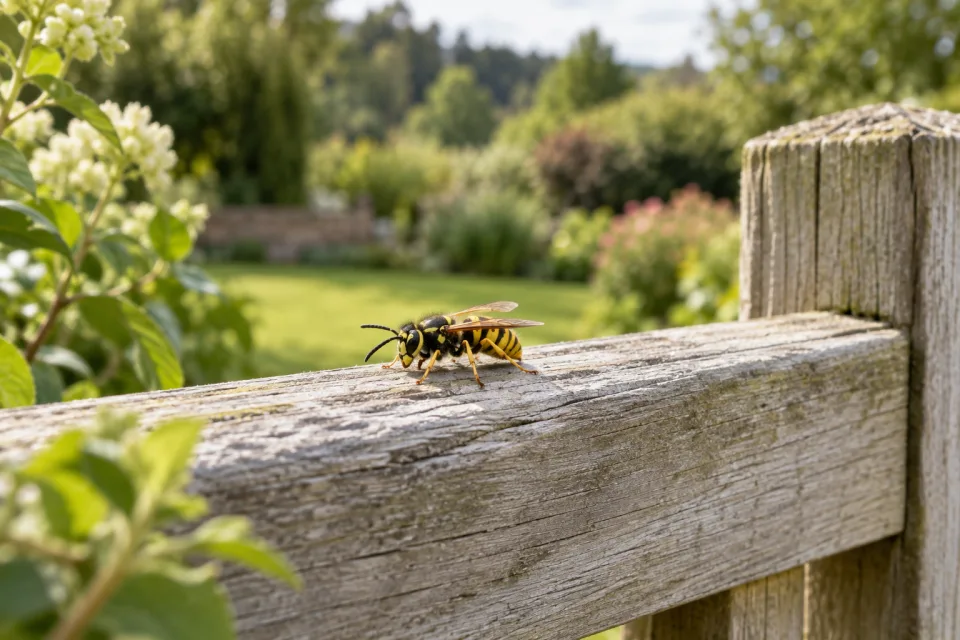
Wasps are stinging insects in the order Hymenoptera, suborder Apocrita, encompassing thousands of species that range from highly social colony builders to solitary hunters. The species most often encountered around homes belong to the family Vespidae, which includes yellowjackets (Vespula and Dolichovespula spp.), paper wasps (Polistes spp.), and hornets such as the European hornet (Vespa crabro) and the bald-faced hornet (Dolichovespula maculata). Unlike honey bees, wasps have smooth stingers and can sting repeatedly. Social colonies are founded each spring by a single overwintered queen; populations peak in late summer, when a mature yellowjacket nest may contain several thousand workers. Solitary species such as mud daubers (Sceliphron and Chalybion spp.) and cicada killers (Sphecius speciosus) rarely defend their nests and pose little risk to people.
The principal hazard wasps present is envenomation. Vespid venom contains phospholipases, hyaluronidase, and antigen 5, proteins capable of triggering IgE-mediated allergic reactions. The U.S. Centers for Disease Control and Prevention attributes dozens of deaths annually to hornet, wasp, and bee stings, most from anaphylaxis rather than venom toxicity. Risk rises sharply when nests are disturbed, because alarm pheromones recruit defenders in seconds. Nests concealed in wall voids, attic insulation, ground burrows, or dense shrubbery are especially dangerous, as they are often discovered accidentally by mowing, pruning, or renovation work. Late-season yellowjackets also scavenge protein and sugar at picnics, trash receptacles, and outdoor dining areas, raising the chance of stings inside the mouth or throat.
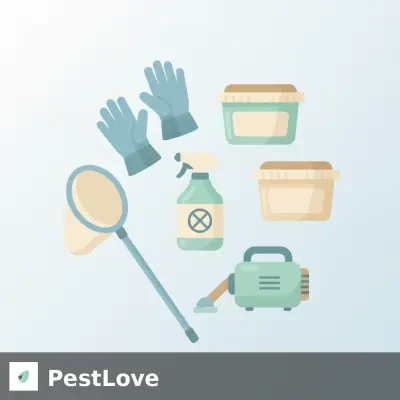
Effective management follows Integrated Pest Management (IPM) principles rather than reflexive spraying. Correct identification comes first, since wasps are important predators of caterpillars, flies, and other pests and are valued pollinators; the U.S. Environmental Protection Agency and cooperative extension services recommend leaving nests in low-traffic areas undisturbed until they die out naturally with the first hard frost. Where control is warranted, exclusion and sanitation carry the greatest long-term value: sealing gaps larger than a quarter of an inch, screening attic and soffit vents, fitting trash containers with tight lids, and repairing damaged siding before spring queens search for nest sites. Treatment of active nests should be conducted at night with species-appropriate products, protective equipment, and an escape plan. Nests inside structural voids, at height, or near anyone with a known sting allergy should be handled by a licensed pest management professional, who has the training, respiratory and body protection, and application equipment to resolve the infestation safely.
Wasps
 Wasps
Wasps
 Wasps
Wasps
 Wasps
Wasps
 Wasps
Wasps
 Wasps
Wasps
 Wasps
Wasps
 Wasps
Wasps
 Wasps
Wasps
 Wasps
Wasps
 Wasps
Wasps
